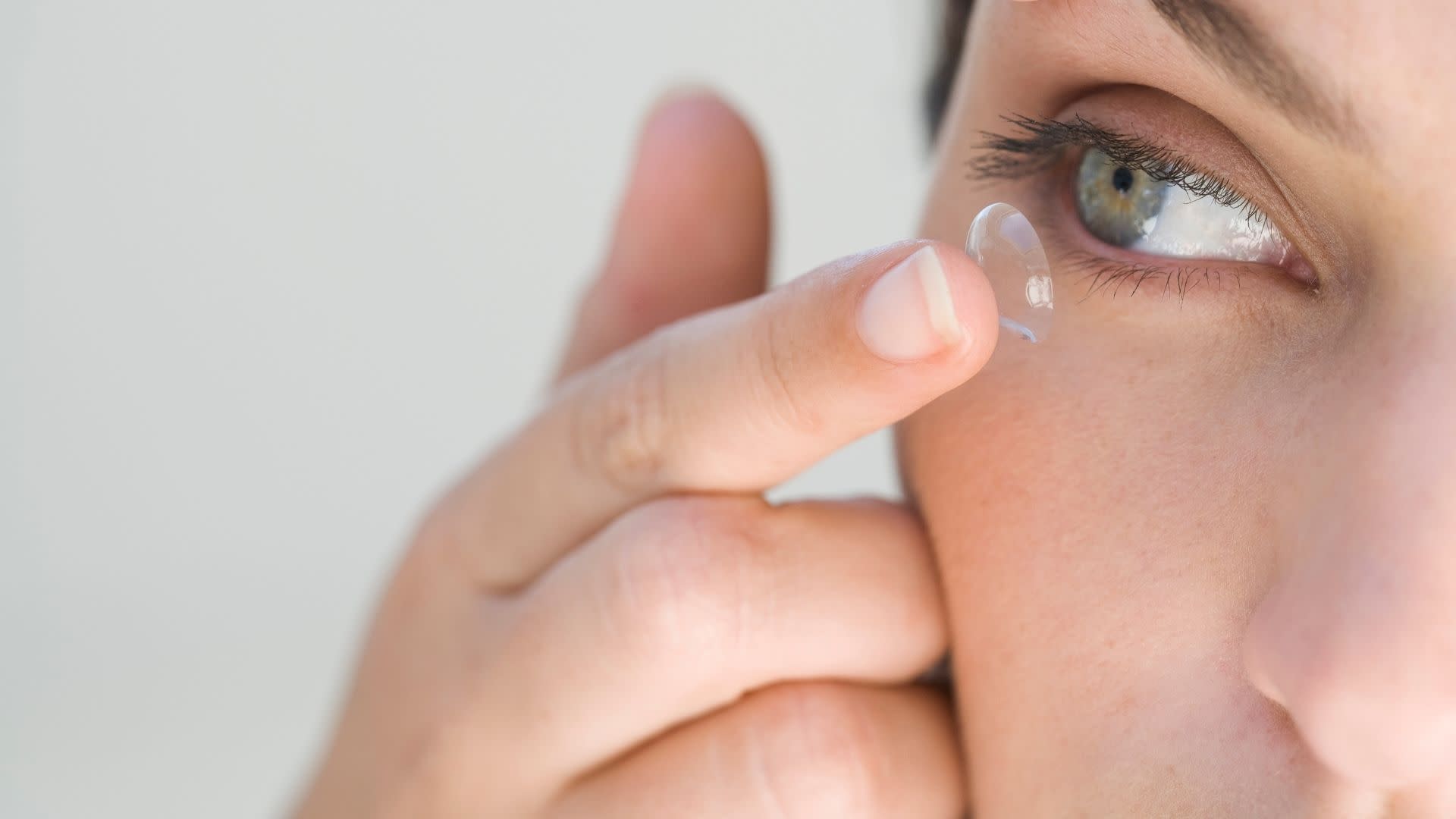
Contact lenses are a convenient solution to a number of vision problems. In many ways, contact lenses are quite low maintenance when compared to glasses, as they don’t need constant adjusting, you don’t have a frame constantly in your peripheral vision, and you don’t have to clean the lenses multiple times a day.
That said, contact lenses do pose some challenges to new users, and there are a few things you may need to keep in mind when using contact lenses.
Water and Contact Lenses Don’t Mix
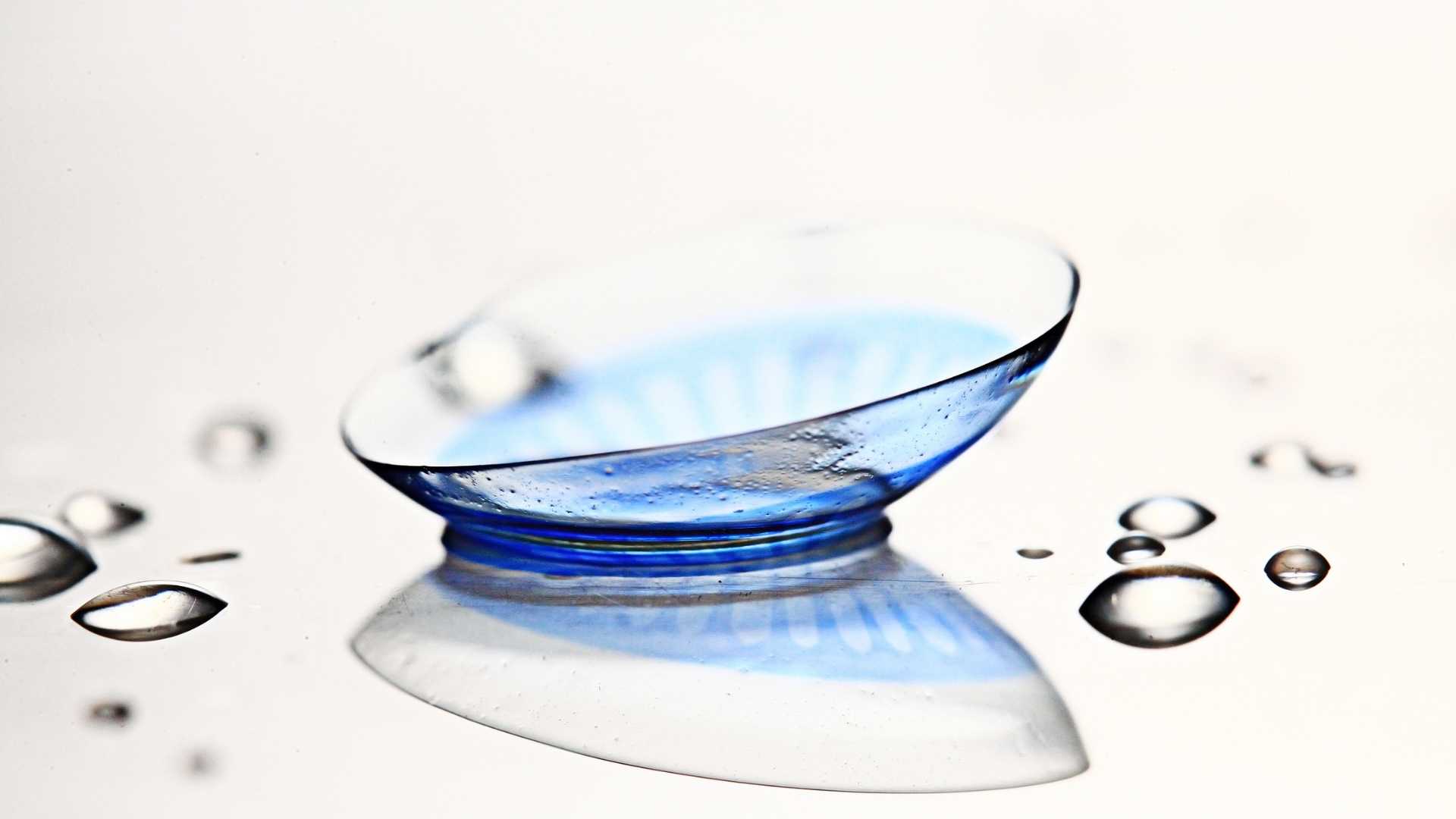
Spectacle wearers may complain about the frustration of getting drops of water on their spectacle lenses but given the ease of wiping water off your spectacle lenses, it’s not too much of a problem. On the other hand water and your contact lenses don’t mix and can be very problematic.
Contact lenses should never be cleaned with water. If they do get water on them, the contact lenses should be properly rinsed in contact lens solution or disinfected before being used again. The reason for this is that water may contain microbes or chemicals that can infect or irritate the eyes.
In addition to the potential risk of infection or irritation, water can also be something of a hazard to your contact lenses. Getting water in your eye may result in flushing your contact lens out of your eye. You should never wear your contact lenses in the shower and should take care if you are caught in the rain.
If you play water sports, you should remove your contact lenses before entering the water, as you can still get water in your eyes even if you are wearing goggles. If you need to wear contacts while swimming, you should immediately remove and either dispose of or rinse your lenses with contact solution after you get out of the water.
Remember that all water has bacteria in it, and that bacteria can easily transfer from contact lenses to your eyes..
Protect Yourself From UV Light
Ultraviolet light resistant contact lenses are available, but even if you wear them, you should still wear sunglasses to protect yourself from the sun. Being in the sun exposes your eyes to UVA and UVB rays capable of causing damage to your crystalline lens - better known as cataracts or damage to you conjunctiva or cornea.
If your prescription doesn’t allow for UV resistant contact lenses, or such contact lenses aren’t available in the style of lens you require, it’s advised that you wear polarised sunglasses as well as a wide brimmed hat when you go out in the sun. Even if you can use UV resistant contact lenses, it is still recommended that you wear polarised sunglasses and a wide brimmed hat, as the contact lenses only offer protection to part of your eye.
Bright sunlight and high heat may also cause your eyes to dry more than usual so it’s recommended that you keep a supply of rewetting or artificial tear eye drops on hand and use them every few hours when out and about in high heat, sun and wind.
Carry Spares
If you’re out and about and use disposable lenses, you should keep a spare pair handy, just in case. If you lose or damage a lens, the best option if you are unable to insert a new replacement lens is to remove the other contact lens and wear your spectacles. You may risk headaches or eye strain as your brain try’s to compensate for having one eye being able to see normally and the other being uncorrected.
Even if you don’t lose or damage it, if one of your lenses falls out, you may not have the ability to clean it properly in a timely manner before you put it back in your eye. Using a lens that hasn’t properly been cleaned puts you at risk of eye irritation or a possible infection.
Having a spare pair of lenses handy will save you a lot of trouble and guarantee that you will never be caught out.
Keep Your Spectacles Handy

No matter how much you prefer the convenience of contact lenses to wearing spectacles, you should always keep a pair of spectacles with your current script handy. Sometimes, due to circumstance or misadventure you may not be able to use your contact lenses. At such a time you still want to be able to see and enjoy your daily routine.
If you lose a contact lens and don’t have a spare handy, or if your contacts start to irritate your eyes, switching to spectacles until the problem is fixed will be necessary.
There may also be situations in which your spectacles may be more appropriate than contact lenses, such as going to the beach. Wearing contact lenses while swimming is not recommended, so instead of having to remove your contact lenses at the beach, find a place to put your lens case so it doesn’t get lost After swimming reinsert your lenses and why not wear your spectacles for the rest of the day instead?
Be Careful With Makeup and Personal Grooming
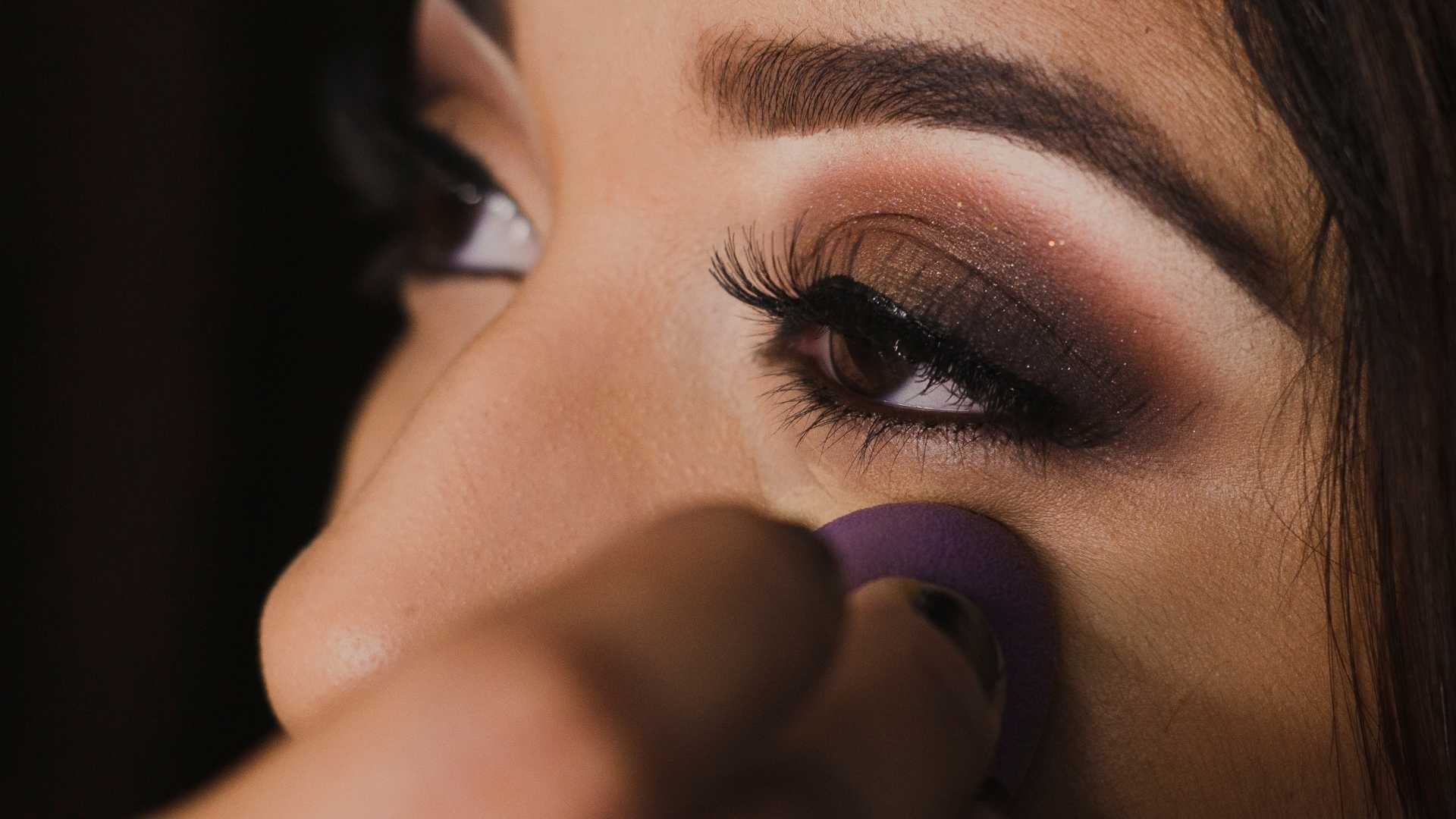
If you wear makeup, there are some precautions you should take when it comes to inserting and removing contact lenses.
Lenses First, Makeup After - Unless informed otherwise (due to specific types of lenses), wash and dry your hands and insert your contact lenses before putting on any makeup. Residue of foundation, moisturiser and other makeup products can easily remain on your hands after the application of your contact lenses. These chemicals can be transferred to your contact lenses and then into your eyes. The application of contaminates into your eyes can cause an irritation or worse.
The same is true when it comes to removing your contact lenses. Your contact lenses should be removed before you remove your makeup, as removing eye makeup can easily transfer some of your eye makeup contaminates into your eyes.
Choose Water Based - You should your preference should be for water-based creams, lotions and eye shadows rather than oil based where possible. While it’s not too common, these oils can flow through the contours of the face and into your eyes. This is unlikely to cause irritation, but it can cause a clouding of the layer of moisture between the eye and lens, therefore potentially compromising your vision.
Cream based eye shadow is a better choice than powder based as the creams are less likely to get in your eyes and coat your contact lenses.
Eyeliner - If you choose to use eyeliner, you should stay away from water lining - using eyeliner on the rim of your eyelid. Applying eyeliner to the rim of the eyelid is something of a double-whammy when it comes to potential problem. The eyeliner can easily get into the eye and interfere with the oil producing Meibomian glands in the eyelid, potentially leading to dry and irritated eyes. The eyeliner can also coat your contact lenses, and this can affect your vision and comfort of your contact lenses.
Mascara - You should avoid “lash extending” mascaras, as these products typically include fibres that can clump and fall into the eyes. You should also avoid waterproof mascaras as it can travel into your tear layer and it is difficult to remove and can stain/coat your contact lenses.
As with other types of makeup, it’s best to opt for oil-free mascaras where possible.
Trim Your Nails - While it is possible to insert contact lenses with long fingernails, removing them is much more difficult. You should either keep your nails trimmed short or invest in a contact lens insertion and removal tool. The tool required depends on the kind of lens you use - scleral, rigid and soft lenses all use different types of insertion and removal tools.
The Good News - Given the fact that globally around two thirds of contact lens users are women, many makeup brands have started making makeup for contact lens users. When buying makeup, check for “ophthalmologist tested” or “safe for contact lens wearers” labelled products.
Don’t Overuse Lenses
It’s important that you don’t wear your lenses too long or reuse lenses that should be discarded. Unless you’re using extended wear contact lenses, you should take your lenses out every night before bed and disinfect them overnight.
If you’re a user of disposable lenses you should not use lenses past their due disposal date - daily disposable should never be reinserted after they have been removed, and fortnightly or monthly disposables should not be reused after their time has elapsed.
Don’t Take Shortcuts
Never take shortcuts when it comes to taking care of your contact lenses. While it may save some time, if you don’t sanitise and store your lenses correctly between uses then you put your eyes at risk. Correctly cleaning and storing your lenses is probably the most important part of contact lens use.
The correct procedure for cleaning contact lenses depends on brand and style. Multipurpose lens solution is recommended for some lenses. As the name suggests, this style of solution lets you use the one product for rinsing, cleaning and storing your contact lenses. Some contact lens cleaning and storage solutions use different products for cleansing and storage. Please discuss this with your optometrist.
Other contact lens cleaning solutions use hydrogen peroxide for cleaning, this solution should never be used for hydrating the eye or rinsing lenses before insertion. Some contact lens solutions are classified as “no-rub”, but the most effective method to keeping your contact lenses clean is to rub them every time they are removed with your respective solution.
Don’t Ignore Your Eyes
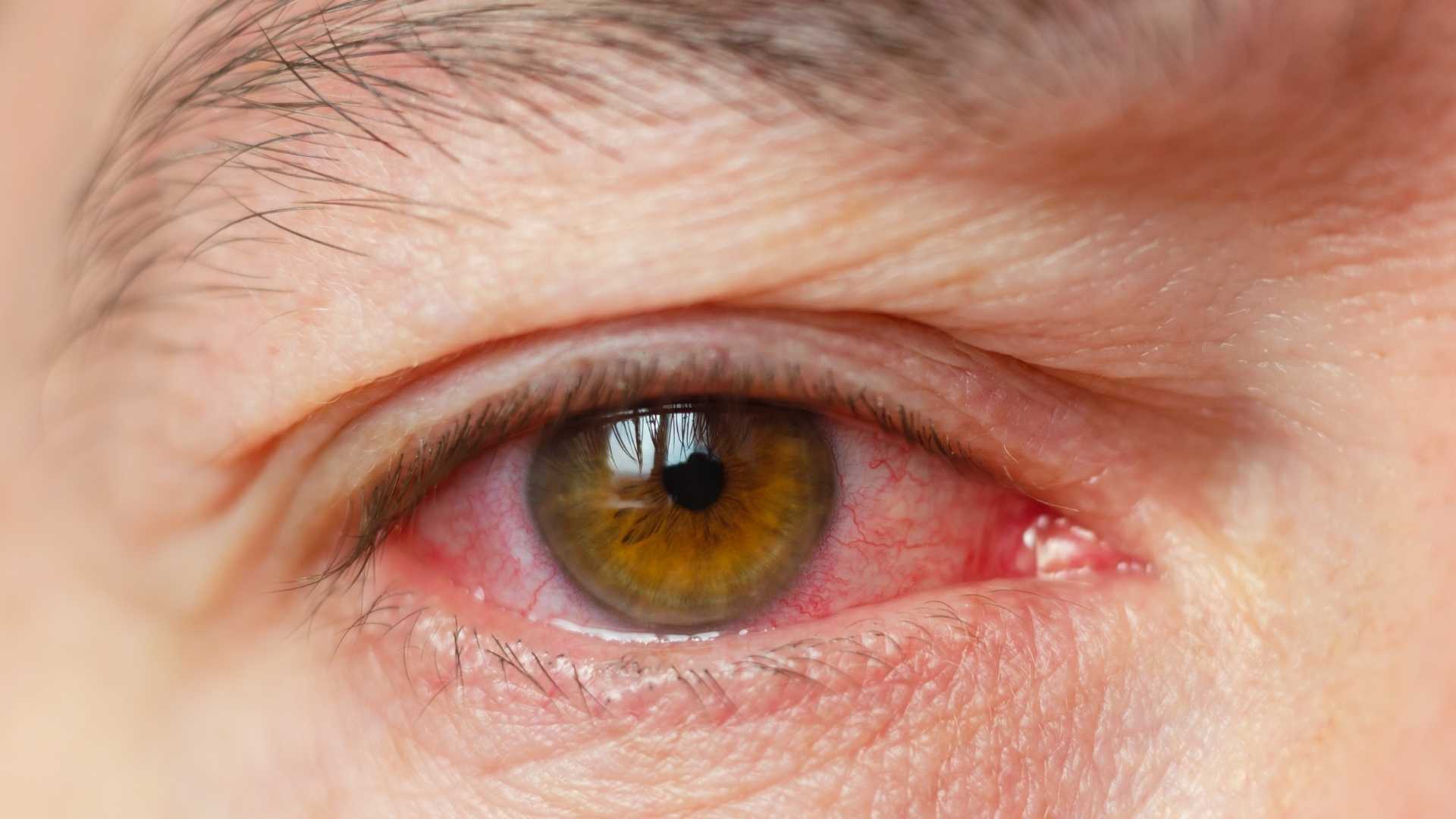
Pain, discomfort, swelling and discolouration are the body’s way of informing you something is wrong, so you should never ignore any of these signs from your eyes. If your eyes are irritated or sore, or your eyes appear to be red, this is a sign that something may be wrong. If any of these signs appear in your eyes you should remove your contact lenses and clean them properly to remove any possible irritants from them. It’s best to leave your contacts out until the pain, redness or discomfort subsides.
If the discomfort is frequent, you should see your optometrist, as you may have a problem with the fit or style of lenses you are using or have some other underlying issue that needs to be identified and resolved.
Remember that contact lenses are a medical device, and it is very important that contact lens wears have clean hands, clean case and clean contact lenses.
Don’t Get Too Fond of Your Lens Case
Most contact lens users will have to store their lenses overnight in a contact lens case. This case should be emptied, rinsed and left to dry every day open and upside down. It is recommended that you replace your contact lens case every three months.
Don’t Believe the Horror Stories
Every now and again there is a contact lens horror story that does the rounds of the news or Internet, such as people with lenses fused to their eyes, or contact lenses becoming “lost behind the eye” and doing damage.
While these stories, and others like them may be good for web traffic and morbid curiosity, such horror stories are either highly unlikely or downright impossible. Stories of lenses becoming fused to eyes typically involve someone using lenses incorrectly, such as leaving them in too long (or never taking them out), not sanitising their hands or lenses before putting them in, in one fairly recent case, someone inserting a new daily disposable lens without removing the last one.
Stories about contact lenses becoming lost behind eyes are apocryphal for one simple reason - a membrane called the conjunctiva makes this impossible. This thin moist layer on the inside of the eyelid folds back at the base of the lid to form the outer layer of the sclera (white of the eye), forming a barrier between the front of the eye and the back of the eye.
If you have any worries about contact lens use, or want some advice on proper and care of contacts, you should schedule an appointment with an optometrist . The fastest and easiest way to search for and book healthcare appointments online is with MyHealth1st.