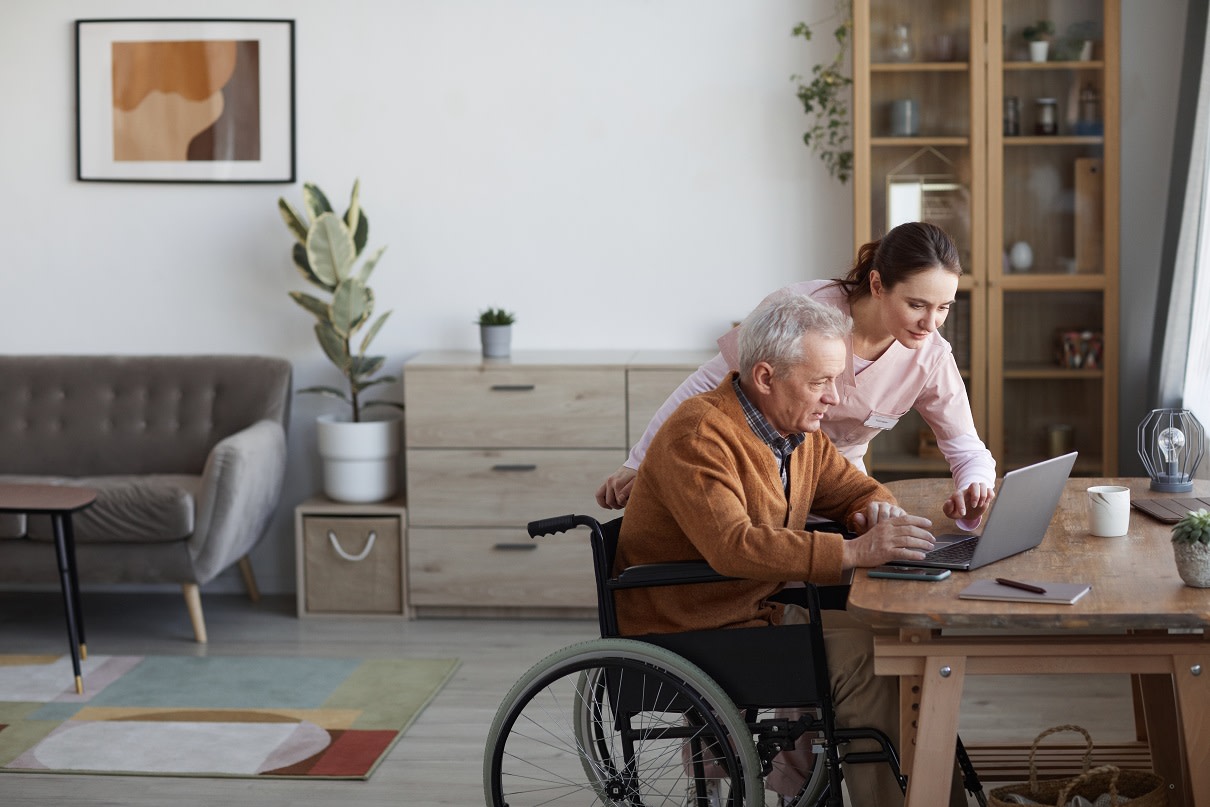
Choosing from the many available senior housing options can be stressful when it's time to make a change in living environment for elderly relatives. Many people who are getting older or who've been diagnosed with a long-term health problem can continue to live a good life at home with the help of caregivers. Of course, ageing at home isn't always possible. Some seniors may require senior care in a supportive environment, such as a care facility or a retirement home.
Several short and long-term aged care options provide different levels of assistance and living styles. If you're not very familiar with most of them, here are some of the most common options that may help you find the best solution for elderly family members:
1. In-Home Personal Care
Under in-home personal care, seniors can still live in their own home, as some healthcare services are brought in to assist them. Also known as home health care, this type of care enables the aged to maintain the comfort and autonomy of living in their own homes. Caregivers can help with their Activities of Daily Living (ADLs), such as bathing, dressing, meal preparation, and instrumental ADLs like transportation, paying bills, and dental health checkups . You can choose to have caregivers on-call 24/7, during fixed hours, or on specific days of the week.
If a senior chooses not to leave their home but requires assistance with ADLs, in-home personal care might be their best fit. These services typically charge by the hour, but you may need to invest in some home modifications to accommodate the changing needs of elderly family members.
NovaCare aged care health services , for instance, offers home care packages that can be customised to assist the needs of individual seniors. Besides the medical aspect, caregivers can help with pet care, minor household repairs and maintenance, laundry, lawn mowing, and other general household support.
2. Independent Living Communities
Independent living communities, also known as congregate care or retirement communities, are best suited for seniors with few health issues who can still live independently. The housing typically consists of apartments ranging in size from studio types to two bedrooms, though some may contain standalone houses. Occupants can choose from various social outings, fun activities, and custom-designed food packs. This senior care option typically requires private payment plans.
Independent living senior communities are created to provide healthy, independent older individuals with the opportunity to participate in social, educational, and recreational activities with other people their age. These communities typically don't have on-campus healthcare services and are age-restricted.
3. Skilled Nursing
Skilled nursing care is for seniors who require advanced medical care. This option is typically for ageing people who need rehabilitation following a fall or similar injury or after visiting the emergency room.
Skilled nursing is performed by licensed medical professionals who have the necessary training and certifications to assist the elderly on their way to recovery. They provide essential medical care to aid elders in restoring their strength and health.
Residents in skilled nursing facilities are usually only there for a short time before they eventually relocate to a senior living community or return to their homes.
4. Continuing Care Retirement Communities (CCRC)
Continuing Care Retirement Communities (CCRC) are a type of retirement community that offers residents a full range of healthcare and lifestyle options on one campus. THis typically includes skilled nursing care, assisted living, and independent living. CCRC contract types differ, with some offering an all-inclusive ‘Life Care’ guarantee of health care services to senior occupants. Others provide health care and other services a la carte or on a ‘fee for service’ basis.
Residents can begin in the independent living section and progress to different parts of the same community as their care needs increase. CCRCs are ideal for seniors who want to live in the same place for the rest of their lives and don't want to worry about future care needs. They're also suitable for spouses or partners who wish to stay together even if one of them requires more medical care and attention.

5. Assisted Living
Assisted living facilities offer a unique combination of supportive health care services and residential housing to ageing people who can't live independently or alone. If your family member requires additional but limited assistance with medication administration, bathing, and meal preparation, seeking help from assisted living facilities is worth considering.
Most facilities provide a range of maintenance, laundry, housekeeping services, transportation, recreational areas and programs, and communal dining. The designs and amenities range from modest to lavish, depending on the centre or facility you choose.
6. Senior Daycare
Senior daycare programs can assist ageing people who need more supervision during the day. Daycares provide social interaction and cognitive stimulation, which could benefit seniors who enjoy going out and socialising with others. Aside from the social aspect, senior daycare can also help with professional health care.
Senior daycare centres typically provide transportation, meal service, occupational and physical therapies, personal care and grooming, medication assistance, speech therapy, and primary health monitoring. Another advantage of this daycare is that it can provide additional support to daily primary caretakers in your family. Seniors can remain safe and socially active in the hands of professionals, allowing caretakers to attend to personal matters or catch up on errands.
7. Nursing Homes
Nursing homes are long-term care centres for the elderly who entirely rely on caregivers. The centre provides licensed and skilled nurses who are on call 24 hours a day, seven days a week, to provide high-quality medical assistance. Some nursing homes offer short-term rehabilitative care for seniors recovering from injury, illness, or surgery.
That said, most nursing home residents have complex medical conditions, requiring a high level of care that necessitates 24-hour skilled nursing care. Unless they are too weak, residents usually share rooms and eat their meals in a central dining area.
Final Words
With a range of senior care options available, it can be challenging to determine the best fit for your loved ones. It might help to support the elderly in deciding the type of care they want to receive and when and where they want it. Ultimately, the goal is to ensure their care needs are met in a comfortable and safe setting.