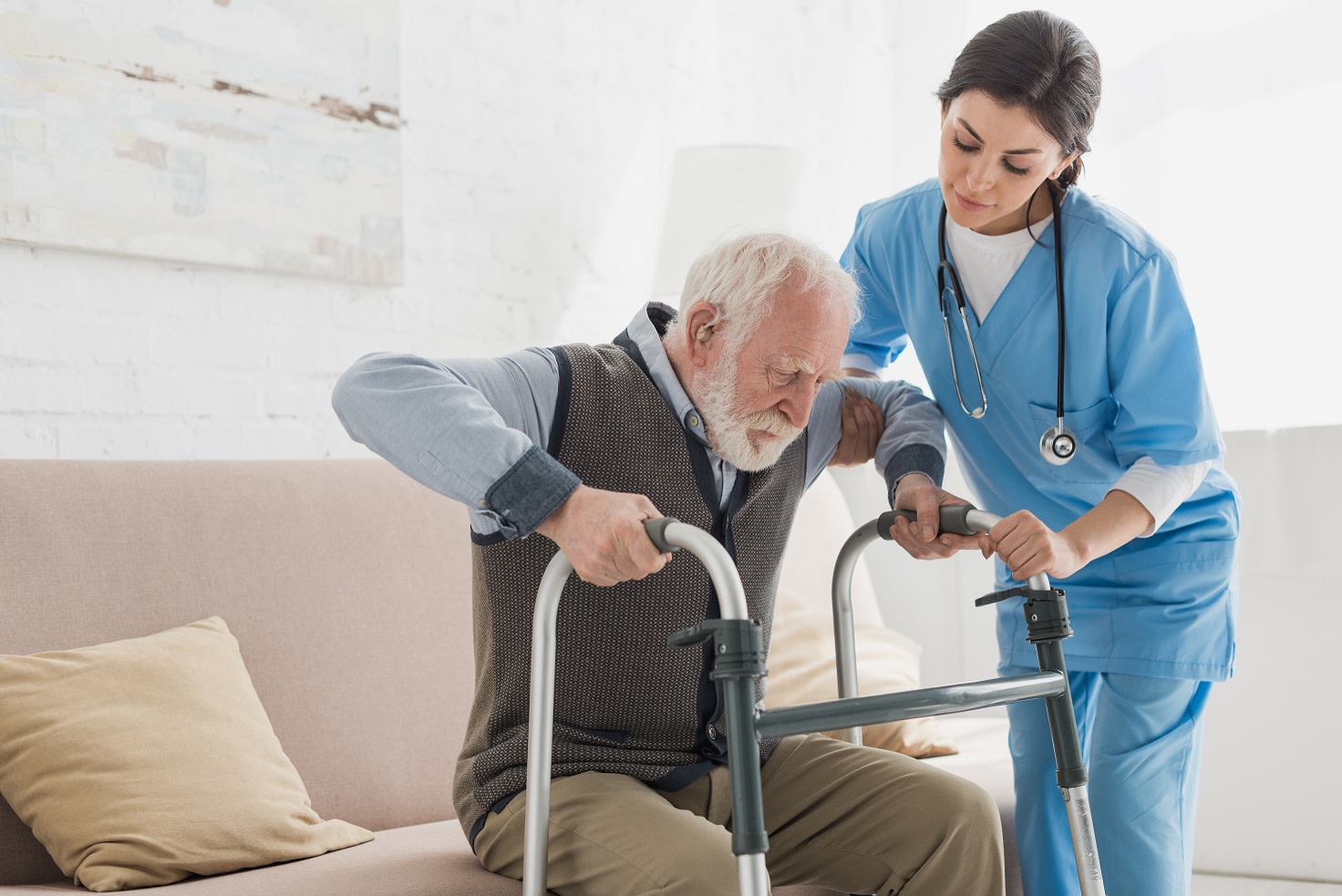
We all have older people in our families, and we desire to see them enjoy old age. It may take some effort to fulfil this desire. Caring for elderly folks may require more than simply making sure they take their medications—you may need to monitor their living conditions and even provide special home care facilities to make them feel comfortable.
While many people rely on aged care or assisted living facilities to help their elderly relatives, others may want to take a more hands-on approach and have their elderly relatives live with them. If you’re hoping to have your elderly relatives live with you or would like to help them live independently, there are some things that you’ll need to consider, including:
1. Educate Yourself
Read. Be up-to-date on the latest caregiving tips and best practices. Read about your family member’s health condition and how it can be cured or managed. There are databases curated to educate caregivers—check them often and put the suggestions into practice. Most of these databases are designed for individuals who care for people living with dementia, stroke, and more.
You can also sign up for a course for manual handling skills to improve your confidence when you’re caring for your senior loved ones. Proper education and training will also help ensure their safety and reduce the risk of injury.
2. Engage Community Therapists
Community Therapy is a mobile healthcare service that can travel to the location of a person in need to help them acclimate to new living situations or changes in ability. Community therapy service providers may include occupational therapists, counsellors, physiotherapists and more. These healthcare professionals can offer the following to your loved ones:
- Provide support if they’re living with disabilities
- Recommend home modifications and help them obtain assistive equipment and technology
- Enable them to improve their functional capacity
- Empower them to live independently and meaningfully
- Conduct a comprehensive assessment to assist with the formal diagnosis of medical conditions or disabilities
- Giving evidence-based nutritional advice to ensure a healthy diet
- Assist with pain management
If your loved one is suffering from a medical condition, look for community therapy specialists who can work with them and ensure that they receive proper support and medical assistance.
3. Keep The Home Safe
Safety is a major concern for the elderly who are living independently or being cared for at home. The average home may not seem like a dangerous place for most people, but they pose hidden risks for your loved ones. Slippery floors, uneven thresholds, clutter, and poor lighting conditions can increase the risk of slips and falls and make their living space challenging to navigate.
You might need to restructure parts of your home to enhance the safety of your elderly loved ones. Remember, home remodelling doesn’t have to cost a fortune as you can fix things up with DIY skills and some helping hands. Here are some easy fixes that you can do:
- Living room: Donate or discard old furniture, rugs, or mats that may pose a slipping hazard. If your loved one has vision problems, opt for glare-free paint colours for the walls. Keeps the floors dull instead of waxed.
- Kitchen: Install rubber grips for faucets. Place often-used appliances like microwaves within easy access, instead of storing them in raised cabinets.
- Bedroom: Add some night lights and go for high-wattage bulbs for overhead lights or floor lamps.
If your family member has balance or mobility issues, going up and down the stairs will be difficult for them. Installing exterior ramps is often a necessary and worthwhile investment in your loved one’s safety. Just make sure that you’re working with a licensed contractor who can ensure that the installations are up to code.
4. Consider Installing Stairlifts
If you have staircases, you should test them as often as possible and replace or fix them once they become weak. Paint the stair steps with contrasting colours to differentiate between them if you have elders with sight issues.
As previously mentioned, it can be difficult for seniors with reduced mobility to climb up and down staircases. Apart from exterior ramps, stairlifts can also help improve accessibility. Stairlifts have safety mechanisms that stop the structure when an obstacle is in the way. They’re also operated with batteries and won’t stop working when there’s a power outage.
5. Set Up Safety Facilities In The Bathroom
For the elderly, the bathroom can be one of the most dangerous parts of the home. According to a report published in Injury Epidemiology , falls in the bathroom are more than twice as likely to cause injuries than falls in any other part of the house. To ensure your family member’s safety, set up facilities to keep them from danger.
Install grab bars beside the toilet and in the shower. Find a way to fix the thermostat on the water heater at 50° or less to prevent burns. To keep your loved one from slipping, place a rubber mat in the bathtub and install a high (40-50 cm) toilet seat with handlebars.
6. Set Boundaries
Even as you care for your loved one, you still have your own life that you can’t put on hold. Set boundaries, and understand that you can’t be everything for them. Caring for them without any consideration for yourself will only lead to bur nout .
It can be hard to turn them down some days, but you have to learn to say ‘no.’ Setting healthy emotional boundaries will help you distinguish between your needs and their needs. But considering they’re elderly, you should also be flexible. When setting your limits, make sure they’re realistic, clearly communicated, and firm.
7. Find Time To Rest
Get adequate rest. You can’t take care of someone when you’re not in good health. If you don’t want to break down as you perform your role, you need time to nourish your body, soul, and spirit.
Don’t forget that your mental, emotional, and physical health is essential. You’re combining your job with the caregiving role and other activities that need your attention, and this is not a joke. Don’t be blinded by the fact that you want to give them your best when they’re still alive. Giving your best should not deprive you of rest.
If combining your caregiving role with your job becomes difficult, you should employ a professional caregiver or consider other care options . Your job is essential, it’s your source of money, and without it, you can’t take proper care of your dependents. Make sure you find a balance, so you won’t lose your job or slip into depression.
Final Thoughts
There are plenty of ways to assist and care for your elderly loved ones safely. If you find yourself confused or overwhelmed, don’t hesitate to ask for help. You’ll always find online support groups and communities of caregivers. Other caregivers need help, just like you, so don’t struggle in isolation. If one of your parents has had an accident in the home, or otherwise needs medical help, the fastest and easiest way to schedule an appointment with a doctor is to search and book online with MyHealth1st.