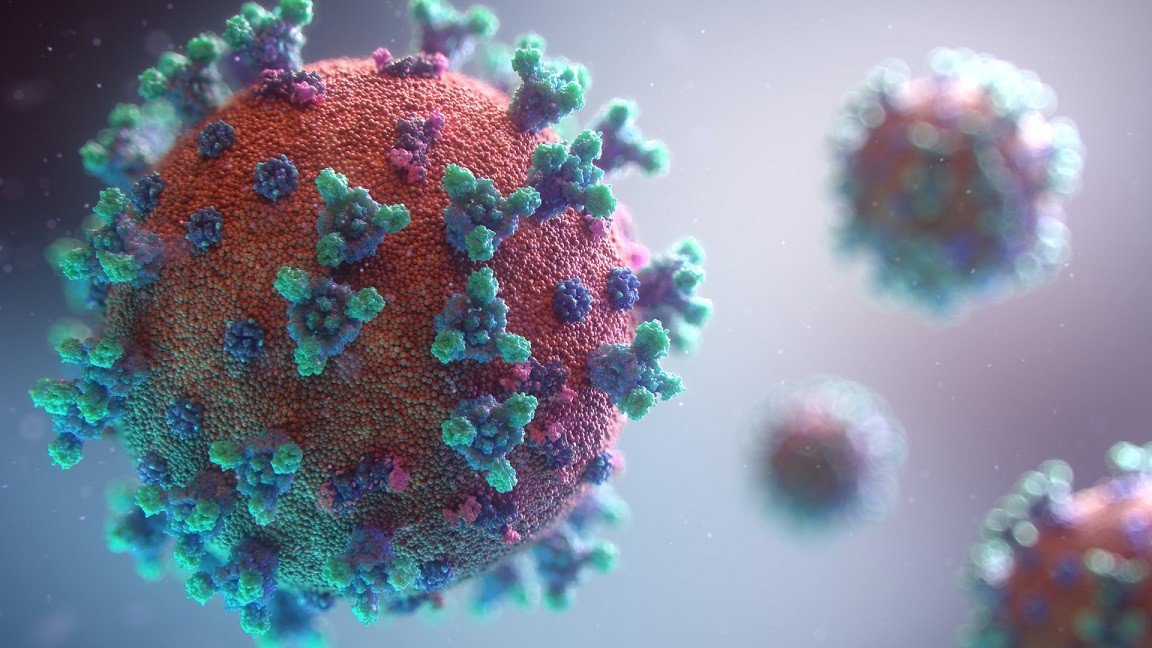
COVID-19 first emerged on the world stage in 2019. Since its arrival, millions have died, and millions more have suffered from the virus. Despite claims that the pandemic is over, the virus is still circulating and mutating. The virus’ frequent mutations mean that there is always the potential for another serious outbreak, potentially even worse than the original.
The symptoms of COVID-19 tend to be fairly similar across all of the variants of the virus. These are some of the most common symptoms that you can expect to have to deal with if you contract the COVID-19:
Fatigue
One of the most commonly reported symptoms of the virus is fatigue, a general feeling of exhaustion that goes beyond normal tiredness and persists despite the amount of rest you may get. The fatigue that’s associated with COVID can be very debilitating. Many people only report this symptom, while others say that they have others accompanying it, like loss of taste and smell.
The fatigue that’s experienced by people who have contracted COVID tends to be short-lived, fading over the course of a few days, but some people may suffer from what has been called “long COVID”, with one of the most common effects being persistent fatigue for long periods of time, and even chronic (long lasting) fatigue.
There is no real cure for fatigue other than recovering from the virus. This generally requires plenty of rest, stay hydrated, and avoid any strenuous exercise. In many places, self-isolation is no longer required, but for your own sake, it is a good idea to keep yourself indoors and well-rested until you are no longer testing positive. Make sure that you report your positive test to your government’s coronavirus testing authority.
Fever
Fever is a symptom that’s no longer commonly reported because the most recent mutations of the coronavirus are generally less severe than the original strain. Despite this, some people with compromised immune systems or are unfortunate enough to catch one of the original strains of the virus may still experience fever in addition to other common symptoms.
The fever that’s experienced with the virus is, again, usually short-lived. It tends to abate over a period of a few days. If you have a fever, then you should take paracetamol and keep hydrated. Paracetamol can bring down your temperature. Ibuprofen can also bring your temperature down.
If your fever is getting worse and is accompanied by other severe symptoms, then it is very important that you get in touch with a doctor. This is because you may need to have further tests done to rule out severe illness.
While pneumonia and other secondary infections are uncommon with the more recent variants, they are still a possibility in people with weakened or compromised immune systems. The best treatment for severe symptoms is medical supervision and IV fluids. If you are seriously ill, then you should phone an ambulance and not your regular physician.
Headache
A headache is a common but manageable symptom of the coronavirus. The headache that’s typically associated with COVID-19 typically accompanies the fatigue and fever associated with the disease.
The best way to treat a headache is to take paracetamol and stay hydrated. Despite some people reporting a headache as their only symptom, a headache alone is not usually indicative of a viral infection and instead is more likely connected to other issues, such as stress, tiredness, over caffeination or eye strain. In fact, instances of headache appear to have increased since the advent of the pandemic, likely due to the stress of having to deal with the chaos caused by the coronavirus.
There are many forms of headache that may be caused by a wide variety of factors, the vast majority of which have nothing to do with COVID-19. If your headache is sudden and debilitating, or accompanied by nausea and vomiting, you should seek immediate medical aid.

Congestion
Congestion is a commonly reported symptom that’s very easily managed at home. Congestion usually fades over time and does not really need any kind of treatment, although you can minimise the severity of your symptoms by inhaling steam and using vapor rubs and balms.
Some other methods of treating congestion are to place hot, wet towels over your sinuses, or to consume hot drinks, such as tea or honey and lemon. Try to avoid caffeinated drinks when you are under the weather because they can actually make you feel a lot worse.
Something else that you might want to consider if you are struggling to deal with the symptoms of congestion is to flush your nose with saline spray or use a decongestant. Flushing the nose and using decongestants may provide temporary relief, potentially helping you fall asleep. Massaging the nose may also temporarily relieve the symptoms of congestion.
Cough
A cough is one of the most common symptoms of many viruses, including SARS-CoV-2, the virus responsible of COVID-19. The “SARS” part of the virus name is an acronym for Sudden Acute Respiratory Syndrome, meaning that it is a respiratory virus. As such, it affects the lungs and airways.
If you have a cough and have tested positive, however, then it is a good idea to see a doctor, just so that they can check your blood oxygen levels and rule out any complications or secondary infections.
Aches
COVID-19 has frequently caused generalised aches and pains in those who have contracted the disease. Nearly all patients who suffer from the virus end up reporting aches and pains, some dull, and others very sharp. Of course, muscle aches don’t necessarily mean that you have a virus as it is possible to get muscle aches in other ways. If muscle aches accompany fatigue and other viral symptoms, however, then it is very probable that you do have a viral infection and in that case, should consider taking a coronavirus test.
The COVID-19 pandemic has had a marked effect on the world. Not only has it caused a huge amount of death and suffering directly, it has also changed the way people live, work and interact in major ways.
While the recent viral mutations are typically less severe and cause a much milder illness, the threat of severe COVID-19 is still ever-present. If you have tested positive, make sure that you take good care of yourself and follow your doctor’s advice so that you can recover quickly and not put anyone else at risk.
If you need to schedule an appointment to see a doctor, or you need to organise a vaccination, the fastest and easiest way to search for and book healthcare appointments online is at MyHealth1st.com.au