
Nursing, like most healthcare professions, has seen its share of disruptive innovation in recent years. Some of these innovations have been linked with improved patient care, while others have made organisational tasks far more straightforward. In this article, you will learn about some of the most exciting innovations in nursing that are helping nurses to become more effective.
Technology Is Changing The Way Nurses Work
Technology is one of the main catalysts to change in the field of nursing. It has made it possible for nurses to perform new tasks that were not possible before. The shift from paper-based to digital records has changed the way nurses work in a lot of ways. The trend also includes shifting from paper-based documentation to digital options and other electronic health record systems, which most hospitals now utilize.
Aside from changing technological trends in nursing , RNs also need to keep up with their professional development. In other words, most nurses are now expected to understand and interact efficiently with digital systems. Those who are unable or unwilling to do so will most likely be held back in terms of career advancement.
In What Ways Is Technology Changing The Face Of Nursing?
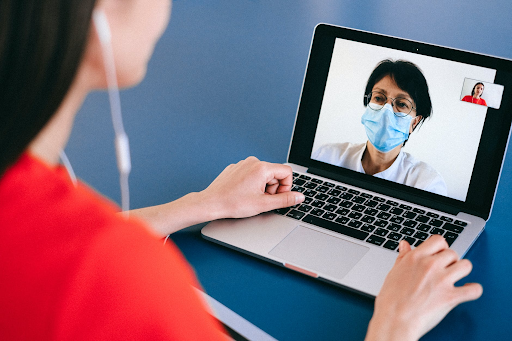
Technology has helped in many ways, not only for patients but also for health care professionals. Technology has allowed them to have faster access to healthcare information and information about what is happening while on call.
Automated Medication Dispensers
Nowadays, hospitals use automatic medication dispensers widely. But, with the advent of new and advanced technologies, they have become a valuable asset for hospitals. The benefits of using automated medication dispensers include increased accuracy and improved patient care. They also help in avoiding human errors and reduce costs and troubleshooting issues associated with manual procedures.
These dispensers can lower the possibility of a mistake in medication delivery by up to 98%. This is because a computerised system can dispense medications at precise times that it's needed with minimal human involvement. In addition to those advantages, they can speed up a nurse's workflow dramatically. While a study showed initial reluctance to accept these dispensers due to concerns about long wait times, it actually sped up the process and received a vast swath of support from the nurses in the trial.
Community Communication Through Remote Means
This technology has accelerated due to the advent of COVID-19 and the subsequent lockdowns. Remote communication has enabled nurses to provide vital healthcare to those at risk of illness but who cannot visit the hospital because of these lockdowns or simply because they cannot travel. Remote communication also helps nurses reach out to isolated communities . It enables them to provide quality care in remote areas where medical facilities are limited, and elderly patients cannot travel to the hospital.
Improved Patient Monitoring
The use of portable monitoring devices is becoming more common among nurses today. The primary benefit of these devices is that they provide nurses with access to real-time data. It also serves as an alternative to traditional paper charts in hospitals. They can save time and improve patient care while reducing healthcare costs. Nurses can keep an eye on patients at any time, regardless of their task load, thanks to portable monitors. Among the data provided by the devices are (but not limited to):
- Respiratory rates
- Electrocardiography
- Oxygen levels
An alert is sent to the nurse if an urgent care patient needs attention, reducing response times significantly.
Rapid Access To Health Records
Quick access to health records is essential for registered nurses because they need to know how patients have responded to treatment and what diagnoses are associated with them. This way, they can provide better care and prevent complications from occurring. Some hospitals have implemented artificial intelligence to improve access to healthcare records that generate reports based on patient information. The software learns from past information by analyzing past data sets recorded by medical devices like:
- Electronic health record systems
- Patient records
- Lab results
- Pharmacy dispensing logs
In the past, this would have been performed manually, costing time, effort and causing mental fatigue among healthcare professionals. The Advantage of using advanced software for this purpose is self-evident.
Reduced Human Error
No matter how amazing a nurse might be, the fallibility of human beings dictates that error will eventually creep into proceedings. This is not meant to reflect poorly on nurses alone, as it happens to all people in all industries. Nevertheless, technology can massively reduce human error and free up their time to focus on more essential aspects of their job. Nursing error has been reduced with the help of technology since nurses have access to information on demand.
Furthermore, it has reduced the number of mistakes caused when logging information into healthcare systems. These errors cause compounding issues over time because every time another doctor or nurse brings up incorrect information, they must reassess the situation, costing them additional time. The adoption of technology has reduced the possibility of errors in recording patient data, including allergies and medical histories. As a result, health outcomes improve, and hospital readmissions are reduced.
Is Technology Ever Going To Replace Nursing?
The short answer is no. The healthcare system depends on nurses in a unique way. They provide care and support for patients that are often more personal than what doctors offer. As a result, nurses have a close relationship with patients and their families to benefit both parties. Nurses spend a lot of time in the hospital, not only doing their job but also dealing with the attention of patients and family members. For this reason, technology is only able to enhance the care that nurses can provide. The same goes for doctors and most other healthcare professions.
Traditional nursing is a profession that has been on the cutting edge of innovation for a long time now, and it's no wonder why. Many things are forcing traditional nurses to keep up with the times, including the global shortage of nurses and the rise of accessible technologies. Nevertheless, the most crucial question is: what will be the future of nursing from the perspective of an aspiring nurse, and what role will digital technology play in their lives?