
Death of a friend or loved one may be one of the most emotionally shattering experiences a person can experience during their life. You feel like you have lost a part of our soul. Your spirit, once strong, becomes fragile. You lose a person you have shared your life with, a person that brightened each day and made a positive impact on your life. You may suddenly find yourself feeling like an incomplete jigsaw with a critical piece missing.
Death can cast a dark shadow over your life and make you feel like you may never see the light again. We are all aware that death will eventually come, yet few of us are ever fully prepared for the agonising heartbreak death may bring with it.
Losing a loved one is never easy, even if you know they are in ill health and may be expecting, even anticipating, the end. Losing a friend may be emotionally crippling, but to lose a loved one suddenly and unexpectedly, may be devastating. This can stir up emotions that can cause us to feel like our world has been torn apart and thrown into complete disarray.
Death Is The Ultimate Devastation
Death may be a devastating event that can break your spirit. It can seem impossible to imagine life without them and the grief can stay with you for a long time. The reality is that life does go on and no matter how hard it may be, you must find a way to continue to move forward and go on with your life.
Here are some important details to remember when a loved one passes away unexpectedly.
Call Emergency Services
The sudden death of a loved one can happen at any time and could be due to any number of causes, such as a tragic accident , illness or natural causes like age. It is vitally important to call emergency services as soon as you feel you can do so. The paramedics can attempt to revive your loved one or confirm the death. If you find that the cause of death is unknown then the area must be left untouched as things will need to be investigated correctly. The police will inform the funeral director, who will then arrive and take away the body.
Contact a Funeral Director
When the cause of death has been pronounced, you will then need to find a funeral director. They will then take your loved one into their care until the funeral arrangements have been made. They will also provide the crucial support needed and will aid you in making any funeral decisions and arrangements.
Funeral services may be performed by a large, nationwide funeral services chain, such as White Lady Funerals or an independent company like Perth-based Funeralcare. No matter the size of the operation, funeral directors in Australia need to be accredited, so you can be sure they have the knowledge and expertise to help you arrange the funeral. Funeral directors can give you the support you need as well as provide you with the necessary guidance when it comes to planning the perfect send-off for your loved one.
Register the Death and Inform the Relevant People
When a person passes away, their death must be registered. As soon as the death has been registered you will be given the relevant paperwork required to organise the funeral. Unfortunately, it’s also time to inform family members and close friends of your loved ones passing as well as other relevant people such as employers, GPs, banks or building societies and HMRC.
Decide On and Arrange the Funeral Service
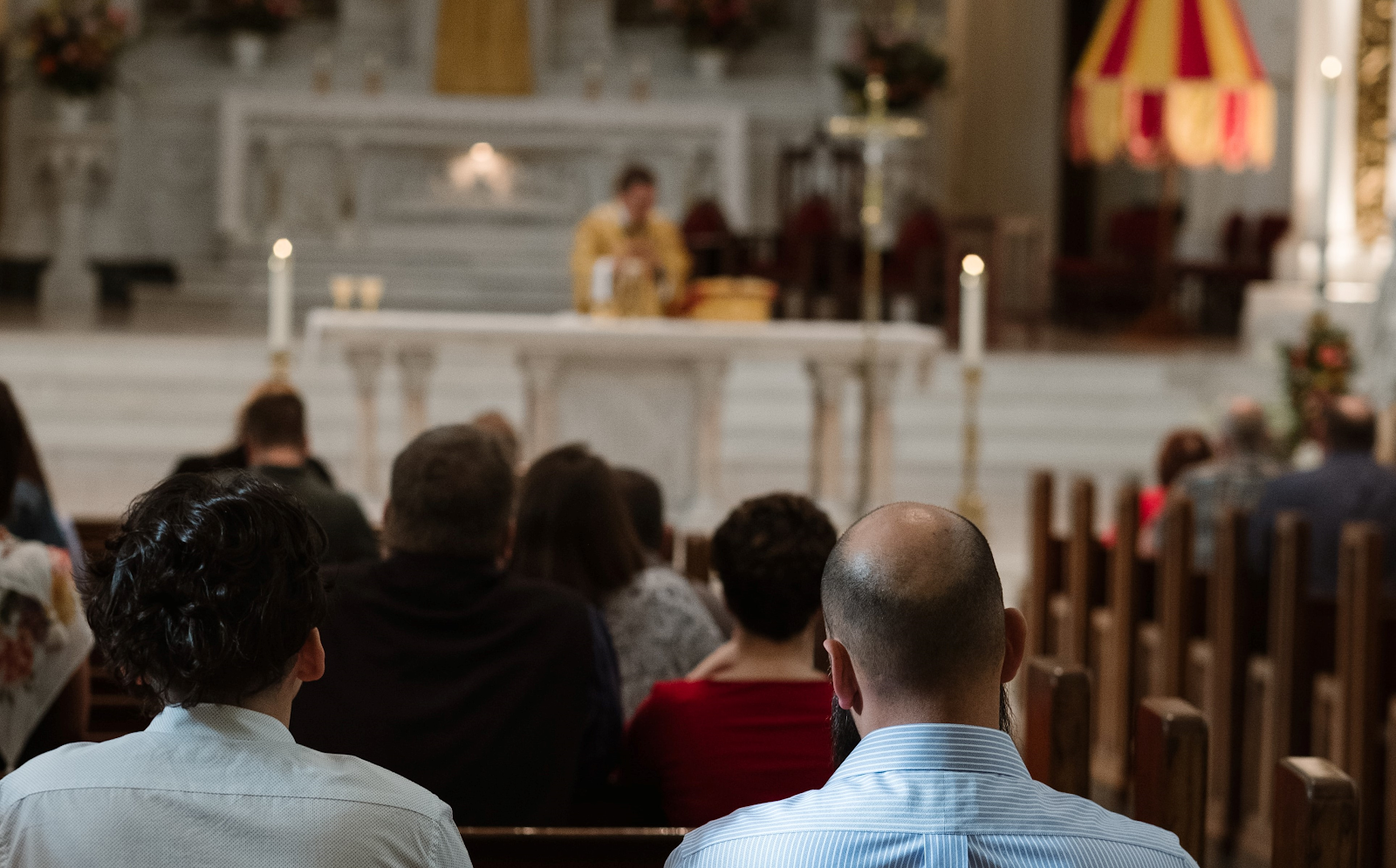
It is now time to commence planning the funeral for your loved one. You may have discussed particular funeral arrangements with the departed in the past, but in many cases people may have never gotten around to it. Either way, after the relevant paperwork has been filed and the right people notified, it’s time to honor the wishes of the deceased if funeral arrangements have been discussed, or make decisions on their behalf to the best of your ability.
You can opt for a cremation, a burial service and could or even choose a more eco-friendly option if such is available and it is a fitting sendoff for your loved one. You will also have to decide what they will be interred in - the casket, urn or the like - which flowers to choose and organise transport. You can tailor the ceremony itself so it is both meaningful and personal for those involved by including heartfelt readings, songs that were special to the deceased and a celebrant in keeping with the religious or secular beliefs of the deceased.
Coping After the Traumatic Events
The loss of a loved one may be an extremely emotional time, no matter who you are. It is important to surround yourself with those close to you, such as friends and relatives, who may be able to offer you the emotional support that you may need. If you find yourself really struggling to cope with the distress, then you should reach out and book an appointment to see a mental health professional to help you process your feelings. Sharing your feelings can feel like a weight is lifted off of your shoulders and help tremendously when trying to cope with the anxiety and distress of an unexpected death.
Being confronted with an unexpected death may cause us to feel as if we are falling apart, but remember although life may seem impossible to cope with at this unfortunate and terrible time, people are a lot stronger than they may perceive themselves to be. Your loved one may be gone but you are still here, and you can gain strength from the knowledge that they would want to to make the most of your life.