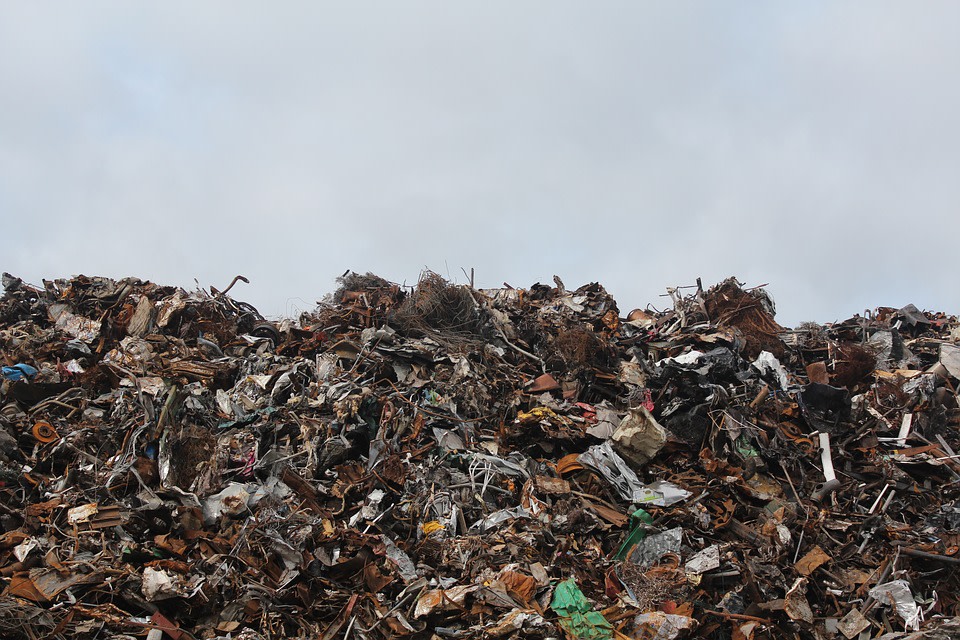
Even though in recent decades there have been a number of great developments in the methods used to dispose of and recycle waste, it still poses many risks to peoples’ health and safety, in addition to causing damage to the environment and wildlife.
To counteract the ongoing negative effects of inadequate waste management, individuals can take steps to ensure their waste, whether it is being from daily life or home renovations, is disposed of properly, so it can be processed and recycled to reduce its impact on human health and the environment.
A key part of correct waste disposal is understanding and being able to identify the different types of waste, and why they are hazardous when disposed of incorrectly. Therefore, the rest of this article details the potential health risks surrounding inadequate waste disposal and management.
Accidents
In addition to making a property or neighbourhood look messy, poorly stored waste can pose various different dangers such as trip hazards, the risk of falling objects, infections from bio-waste and exposure to hazardous chemicals. In response to these risks, many policies related to proper and safe waste disposal have been implemented by the government and local authorities. The best way a site can be kept tidy and safe is by following safety guidelines and hiring a skip bin to contain waste until it is removed.
Hazardous Materials
Clearing out buildings, doing construction or carrying out renovation work often creates large amounts of waste, some of which can be hazardous to human health. Some effects of exposure to hazardous waste are short term such as eye and skin irritation, breathing difficulties , headaches and nausea whilst coming into contact with certain hazardous materials and their toxic effects can lead to much more serious health effects including behavioural abnormalities, birth defects, cancer, genetic mutations, physiological malfunctions and physical deformations.
Hazardous items and materials often found on construction sites and during home renovations include:
- Asbestos; can be found in coatings, drywall, flooring and roofing
- Lead; found in paints, pipes and varnishes
- Mercury; used in components of air conditioners, fluorescent lamps and smoke detectors
- Lamps and bulbs containing toxic metals such as arsenic, lead and mercury
- Used batteries made from dangerous elements including cadmium, lead, mercury and silver
- Electronic waste; appliances like air conditioners and refrigerators have components containing ozone damaging chlorofluorocarbons (CFCs)
- Solvents; corrosive liquids including adhesive removers, cleaning fluids, degreasers and fuel additives
To avoid health hazards and limit the impact on the environment, people are required to dispose of waste by separating and storing it in skip bins before sending it to local waste management and recycling facilities.
Biohazards
Health care and medical research facilities regularly dispose of waste posing a biological health hazard due to dangerous bacteria, mould, parasites or viruses. There are four forms of biohazardous waste commonly produced by places such as hospitals, but which may also be found when clearing out old medical facilities; solid, liquid, sharp and organic matter.
Contaminated Soil
Soil in most areas is safe for agriculture as well as gardening in residential areas. That said, depending on waste management practices, there is a risk of soil contamination in and around construction sites, junk yards, landfills, farms intensively using pesticides, and industrial plants.
Unfortunately, despite the implementation of waste management guidelines and regulations, soil contamination still occurs, and is commonly caused by harmful materials including asbestos, copper arsenate, creosote, lead and radon.
People may be exposed to soil contaminants in a number of ways including ingesting root vegetables grown in contaminated soil, inhaling dust, and absorption through the skin.
Contaminated Water
Hazardous waste that has been disposed of improperly may also cause water contamination by leaching into the ground and affecting local water supplies used for drinking and irrigation. Furthermore, toxic chemicals can make their way into rivers, streams, lakes and the ocean affecting the health of fish stocks that people may rely on for sustenance.
Air Pollution
Sometimes paper, plastics and other solid wastes are burned in people’s backyards, industrial facilities, and landfills. Burning releases a significant amount of noxious gas and chemicals that add to the effects of climate change as well as create health risks for people living locally. Typically, the burning of waste that could otherwise be recycled or stored safely, releases gases containing toxic compounds including dioxins, furans, mercury and polychlorinated biphenyls.
Pest Infestations
One of the more visible consequences of waste being dumped in an area is the various pests it may attract, such as cockroaches, flies, mosquitoes and rats, many of which may carry several different diseases and parasites. THese diseases and parasites may lead to severe or even life threatening health conditions. For example, dengue and malaria carrying mosquitoes can quickly breed in and around waste where water can collect, and rats that can transmit diseases like leptospirosis and salmonella are also attracted to rubbish.
Effects on Wildlife
The impacts of waste on both land and marine wildlife are growing more severe every year, whether it be from toxic chemicals entering the soil and waterways, or plastic polluting the oceans.
Inadequate waste disposal can easily lead to environmental pollution resulting several negative effects on wildlife, these include:
- Marine wildlife frequently dying as a result of ingesting plastic trash
- Animals getting entwined in fishing line which often leads to serious injury or starvation
- Microplastics containing potentially toxic compounds being found throughout the food chain, eventually winding up on our dinner tables.
How to Dispose of Waste Properly
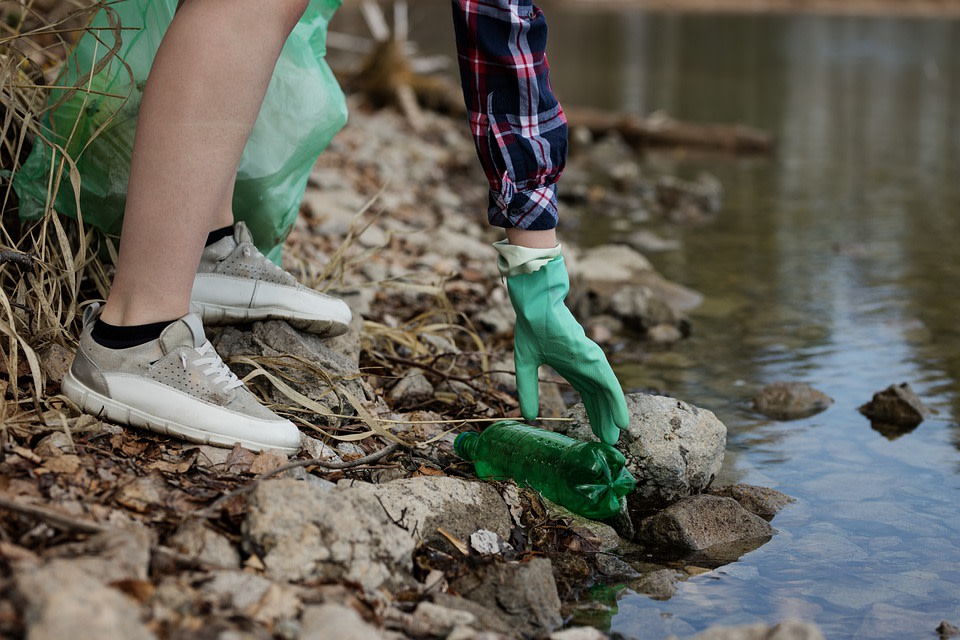
Despite the relatively slow pace of action aimed at reducing the health risks and environmental consequences associated with inadequate waste disposal, there are many things people can do at an individual level to manage waste in an ecological and safe way. These include:
- Composting - green household waste can be composted in a small corner of a garden. Some local authorities provide green waste collection bins
- Reduce - limit the purchase of plastic and other materials that require energy intensive production methods or contain potentially toxic chemicals
- Recycle - up to three quarters of all waste is recyclable, including batteries, electronics, glass, green waste, light bulbs, metal, paper and plastic
- Reuse - the production of new items is often energy and resource intensive, adding further to pollution and the health risks associated. Reusing and repairing items can save money, resources and help to reduce health risks for everyone.
Everyone has to dispose of waste at some point, whether it be from daily household activities, construction sites, medical facilities or property renovations. To ensure public health and the environment are protected, and local regulations are followed, people should be aware of the different types of waste and why they are hazardous.