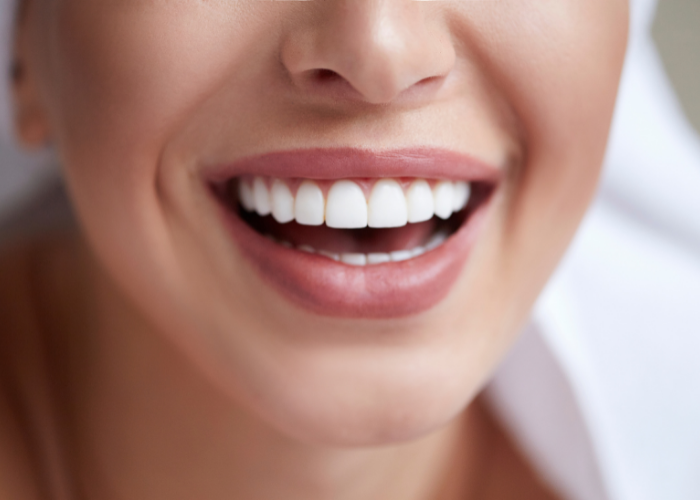
One of the benefits of having a healthy smile is feeling good about interacting with other people, but did you know that several dental health benefits also result from having straight teeth?
Here are some hidden dental health benefits derived from straight teeth and an overview of orthodontic options for adults.
Straight Teeth Are Easier to Maintain
If you’ve ever lived with teeth that are crooked or overlap, you know how difficult brushing and flossing can be.
Manoeuvring dental floss between teeth that overlap takes time and can be challenging, especially when your floss snaps and breaks. It could be tempting just to skip flossing altogether, especially when you’re tired.
Your toothbrush also has difficulty reaching between crooked teeth to remove plaque buildup. Even an electric toothbrush may not be able to brush between teeth that overlap adequately.
When you can’t properly brush and floss your teeth, you can’t keep them clean and free from plaque buildup. Unfortunately, this means that your risk of developing problems like tooth decay, cavities, and gum disease increases exponentially.
A Properly Aligned Bite Promotes Dental Health
When your teeth are misaligned , so is your bite. While this doesn’t seem like it would be a big deal, it does cause some dental health concerns.
First, misaligned teeth may not be functioning in the ways they were designed for. If this is the case, you could be causing excessive wear or other damage to your teeth, like chipping or fractures. Your dentist might recommend treatments such as dental bonding, porcelain veneers, or crowns to repair damaged teeth, which could impact your budget.
Next, a poorly aligned bite can result in problems with your jaw joint (TMJ). When your TMJ isn’t functioning correctly, it can cause a painful disorder called TMD or temporomandibular joint dysfunction.
For some people, TMD can become quite debilitating, causing problems like:
- Popping and clicking upon opening or closing your mouth
- Neck and shoulder pain
- Tenderness or pain during chewing
- Jaw locking open or closed
- Frequent headaches or migraines
- Teeth clenching or grinding (bruxism), especially at night
In some cases, orthodontic treatment to align the teeth and correct the bite can alleviate the symptoms and discomfort TMD causes.
Orthodontic Options for Adults
Believe it or not, it’s never too late to straighten your teeth, and adults have excellent options for orthodontic treatment.
Traditional Braces
For some adults with complicated bite issues, wearing traditional braces may be the best solution. Brackets and wires move teeth and roots into alignment at a comfortable and safe pace, and most patients can complete treatment in around 12 to 24 months.
You’ll visit your orthodontist every three to six weeks for adjustments to your braces to ensure that your treatment progresses on time.
If you wear traditional braces, keeping your teeth clean and plaque-free is of the utmost importance, and it does take a bit of additional time to brush and floss properly around wires and between brackets. You should also visit your dentist for teeth cleanings and checkups during your orthodontic treatment to ensure the health of your smile.
Invisible Braces
Many adults don’t like the idea of wearing traditional brackets and wires on their teeth. However, if you’re looking for more discretion while aligning your teeth, invisible braces with a treatment like Invisalign might be right for you.
Instead of using metal brackets and wires, Invisalign utilises clear plastic aligners that are BPA-free. Customised for your teeth to create a straight smile, your clear aligners are smooth, comfortable, and easy to wear. And since they’re clear, they’re hardly noticeable and don’t distract from your smile.
Compliance is the key to treatment with invisible braces, and you’ll need to wear your aligners for at least 22 hours each day to ensure that your treatment stays on track. You’ll also visit your Invisalign provider every few weeks for periodic checkups.
Aligners are removable, so you can take them out to eat meals and brush and floss your teeth. This means that you don’t have to avoid certain foods during your orthodontic treatment and that you’ll also be able to keep your teeth clean and healthy. In addition, busy adults love that they can remove aligners for important meetings or events if they need to.
Which Orthodontic Treatment Is Right for Me?
Now that you understand the benefits of a straighter smile, you might wonder how to determine the best treatment for your needs.
Your dentist is a great place to start. Many dentists are certified Invisalign providers, and they can help you determine if invisible braces are right for you. In addition, if they are qualified to provide Invisalign treatment, you may be able to complete your treatment at the dental clinic you typically go to.
If your dentist is not an Invisalign provider or determines that invisible braces aren’t right for you, they can direct you to an orthodontist who can help you reach your goals.
Wearing Your Retainer Protects Your New Smile
Whether you straighten your teeth with traditional or invisible braces, you’ll want to maintain your new smile.
Wearing a retainer at night while you sleep will help prevent any moving or shifting your teeth might do because, believe it or not, they do have memory, and they will want to move back into their previous crooked position.
Depending on your needs, your dentist typically makes orthodontic retainers with hard or soft plastic that fits over your teeth and keeps them in place. Retainers are comfortable to wear and shouldn’t interfere with sleeping.
Committing to wearing your retainers at night for a lifetime will protect your investment in your beautiful new smile.
If you need to schedule an appointment with a dentist or specialist orthodontist, the fastest and easiest way to search for and book healthcare appointments online is through MyHealth1st.