As medical technology and surgical technique continues to improve, transplants have become more and more common. As a result many people are looking to learn about the different aspects of these surgeries. One question that’s often asked is how long ]recovery normally takes following a transplant. While each case is different, it's important to know what you're getting into before you begin your journey to recovery, and that you have all the information you need before making decisions.
Compare the Market - health insurance
Everything you need to know about Organ Transplants
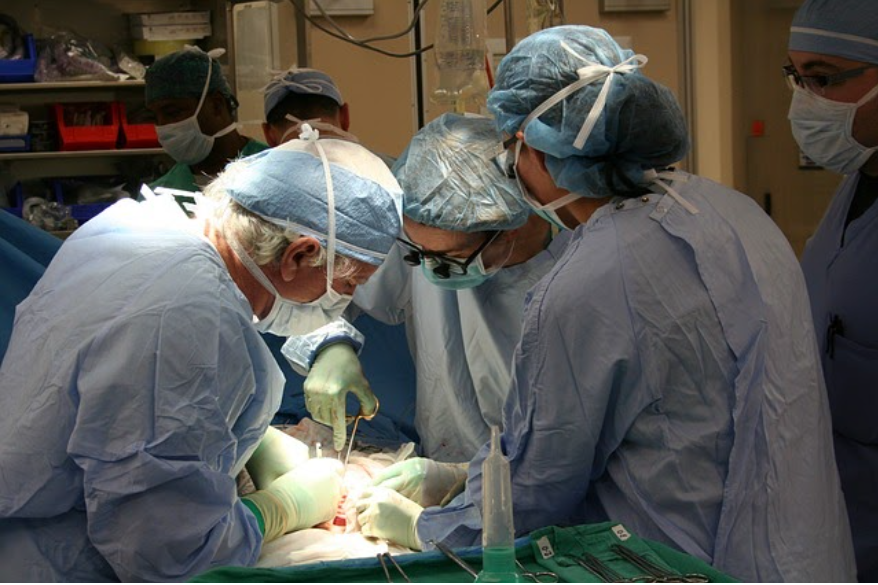
Transplants are major, invasive surgeries. They require everything from medical infrastructure to anesthesia, to doctors who have been specially trained to perform transplants. This means that you will be under the care of an entire team throughout your recovery process.
Transplants do not always go perfectly according to plan. There is no such thing as a one hundred percent guaranteed transplant because it's impossible for anyone to know what might happen in advance, or how things could change during the process. For this reason, transplants may take longer than expected, particularly if there are any complications with either the organ donor or recipient before and after surgery occurs.
In fact, sometimes transplants don't even work at all due to unforeseen circumstances - however, those instances are rare.
Finally, transplant procedures can vary in size and severity so it's important to speak with your doctor about what kind of transplants you can expect before surgery occurs. Your doctors will be able to give you an estimate on how long recovery should take based on their knowledge and expertise.
Just keep in mind that every case is unique, which means estimates may change along the way during your transplant journey. If anything changes dramatically during your recovery period, make sure you contact your doctors immediately!
As for how long recovery can take, normally people stay in hospital until they’re able to eat solid foods again - which can range anywhere between two and six weeks after the surgery. During your stay, you’ll receive medication and IV infusions so that you don't experience any pain during your initial recovery period.
Common transplant surgery recovery times
Heart transplants typically take around two weeks monitoring in hospital , then a few months (including frequent monitoring by transplant specialists) for recovery. You will also need to get follow-up care throughout your life for this type of transplant, including immunosuppressant medication and anti-rejection drugs..
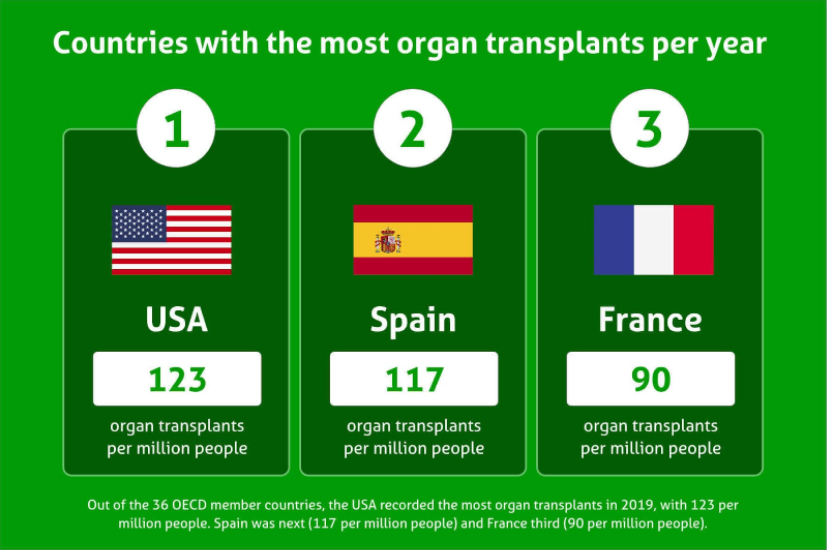
Kidney transplants are one of the most common transplants - according to Transplant Australia, there were 704 kidney transplants in Australia in 2019. Recovery times vary depending on if you have any complications, but overall people can expect two to three days in intensive care followed by between one and four weeks in hospital before being discharged. After leaving hospital, lifelong medication and lifestyle changes are required..
Liver transplants, like all other transplant surgeries require a few days of monitoring in intensive care followed by a few weeks of hospitalisation before discharge. After undergoing the transplant, people may be able to return to work and regular life in as little as three months , but in many cases full recovery and healing may take upwards of six months..
Bone marrow transplants can take anywhere from three months up to one year or longer - depending on if you have complications following surgery or what the transplant was for. If there are no issues, people may see results within several weeks after their transplants.
These are all major surgeries and come with many risks, so it's important to follow your doctor's orders throughout the recovery process!
Medication
All transplant surgeries require the recipient to take medication for the rest of their lives. These medications, referred to as anti-rejection drugs or immunosuppressants, work to make the body’s immune system less aggressive so that it doesn’t attack the foreign organ.A person with a suppressed immune system may have to make lifestyle changes as they are more susceptible to bacterial or viral infection. In addition, long term use of immunosuppressive medications may have e number of side effects, including:
- Hypertension (High Blood Pressure)
- Weight Gain
- Overgrowth of Gum Tissue
- Type 2 Diabetes
- Insomnia
- Headaches
- Stomach Irritation
- Muscle Cramps/Weakness
- Hair Loss/Growth
Exercise requirements
Most transplants require some form of exercise to help speed up the recovery process after surgery - especially in cases where people need to lose weight. For example, a requirement of recovery for cardiac transplants is that the patient is able to walk at least 30 minutes per day for five days a week if possible, with proper supervision.
Of course, not all transplants have the same exercise requirements, so you should always speak with your doctors about what kinds of exercises are appropriate for you following surgery.
Limitations with new organs
People should also keep in mind that transplants are lifelong commitments following surgery, which means you need to be careful about how much physical activity you participate in. For example, if someone has had a heart transplant, it's best not to do anything strenuous for at least six months post-surgery because this could damage their new heart.
Keep track of what your doctors recommend so you can heal properly and quickly, but you shouldn’t push yourself too hard either just because the recovery process is long. It's important to take things slow initially while recovering from transplants, especially since most people will have follow-up appointments throughout the first year after surgery, with your doctor monitoring the function and healing of the organ.
If you have any questions or concerns about transplants - especially if they are affecting your ability to work, go to school, or the like it's best to talk with your doctors as soon as possible. If you need to schedule an appointment to see your doctor , or need a referral to a transplantation specialist, the fastest and easiest way to search for and book healthcare appointments online is through MyHealth1st.