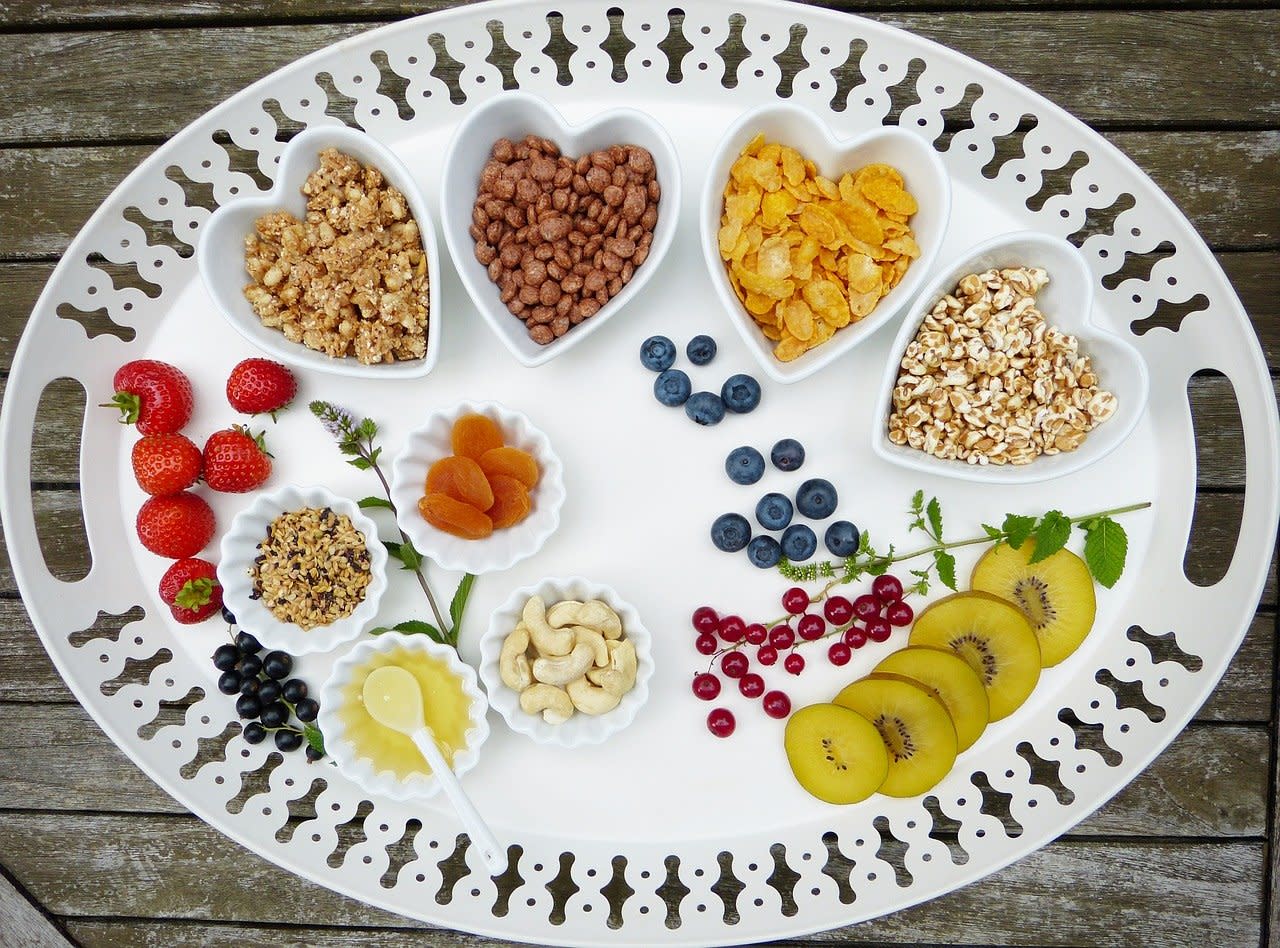
There are so many different types of diets out there that it can be hard to know which one is right for you. With all of the conflicting information that has been put out, it's no wonder people are confused about what they should and shouldn't be eating.
Consider counting calories
One of the things that you can do to help you choose the right food for your diet is to count calories. Counting calories may give you a good idea of how much energy you're taking in and help you to make sure that you're not eating too much or too little. Many foods have health claims attached to them, but by counting calories per serving you may see a marked difference between two seemingly similar foods in calories delivered. While both are healthy, in the case of cottage cheese vs plain yogurt counting calories may give you a more solid idea if they fit into your diet than simply going for the one you think is more healthy.
There are several different ways to count calories, from food diaries to calorie counting apps. Find one that works best for you and stick with it.
Pay attention to food labels
Another useful tip is to pay attention to food labels. When you're at the grocery store, take some time to read the labels on the food that you're considering buying. This will give you an idea of what's in the food and how many nutrients it contains. It's also a good way to check for things like allergens and additives. In general, you should try to choose foods that are low in sugar, salt, and fat and high in vitamins, minerals, and fibre. Sugar and fat can contribute to weight gain thanks to being calorie rich, so it's best to limit your intake of these things. The vitamins and minerals you need can be found in fresh fruits and vegetables, whole grains, and lean protein.
- Skip the sugar
Foods that are high in sugar can cause many health problems, including weight gain, diabetes, and heart disease. For this reason, it's important to limit your intake of sugary foods. When you're looking at food labels, pay attention to the amount of sugar that's in each serving. You might be surprised to find out how much sugar is in some of your favourite foods. If a food is high in sugar, you might want to consider avoiding it or eating it in moderation. Drinks such as fruit juice and soft drinks may be extremely high in sugar, so it's important to read labels carefully. Sugar free versions of drinks, or fruit juice that is cloudy or contains pulp is a more healthy alternative. Better yet, drink plenty of water instead.
Choose whole foods over processed foods
When possible, you should try to choose whole foods over processed foods. Whole foods are essentially unprocessed and unrefined. They're usually fresher and more nutritious than processed foods. Processed foods typically have often been treated with chemicals (to stabilise or prolong shelf life) and have had artificial ingredients added to them. Some people may have adverse reactions to some additives such as flavourings, colourings, and sweeteners, as well as to the preservatives that are added to many processed foods. More importantly, many processed foods tend to be high in sugar, salt, and fat.
- You will never go wrong with vegetables
More and more people are now choosing plant-based diets for a variety of reasons. If you're thinking of making the switch to a plant-based diet, or even if you just want to eat more vegetables, there are a few things you should keep in mind. First, you'll need to make sure that you're getting enough protein in your diet. This can be done by eating a variety of beans, nuts, and seeds. You should also try to eat a rainbow of fruits and vegetables to get all the vitamins and minerals your body needs. Last but not least, don't forget to stay hydrated by drinking plenty of water.
Think about your food allergies and intolerances
If you have any food allergies or intolerances, it's important to take them into account when you're choosing what to eat. If you're allergic to gluten, for example, you'll need to avoid foods that contain it. Gluten is found in wheat, barley, and rye, so if you're allergic to gluten, you'll need to avoid bread, various kinds of pasta, cereals, and other foods that contain these grains. Similarly, if you're lactose intolerant, you'll need to avoid dairy products such as milk, cheese, and yoghurt. There are several different food allergies and intolerances out there, so it's important to be aware of what you can and cannot eat.
Don't forget portion sizes
It's also important to pay attention to portion sizes when you're choosing the right food for your diet. Just because a food is healthy doesn't mean that you can eat as much of it as you want. In general, you should try to stick to recommended serving sizes. This will help you to control your calorie intake and avoid overeating. For example, a recommended serving of meat is around 85g or about the size of a deck of cards. You can also refer to the nutrition facts label on food packaging to get an idea of what a serving size looks like. More often than not, the serving size is much smaller than you think, frequently due to the amount of calorie rich ingredients such as sugar or fat it may contain.
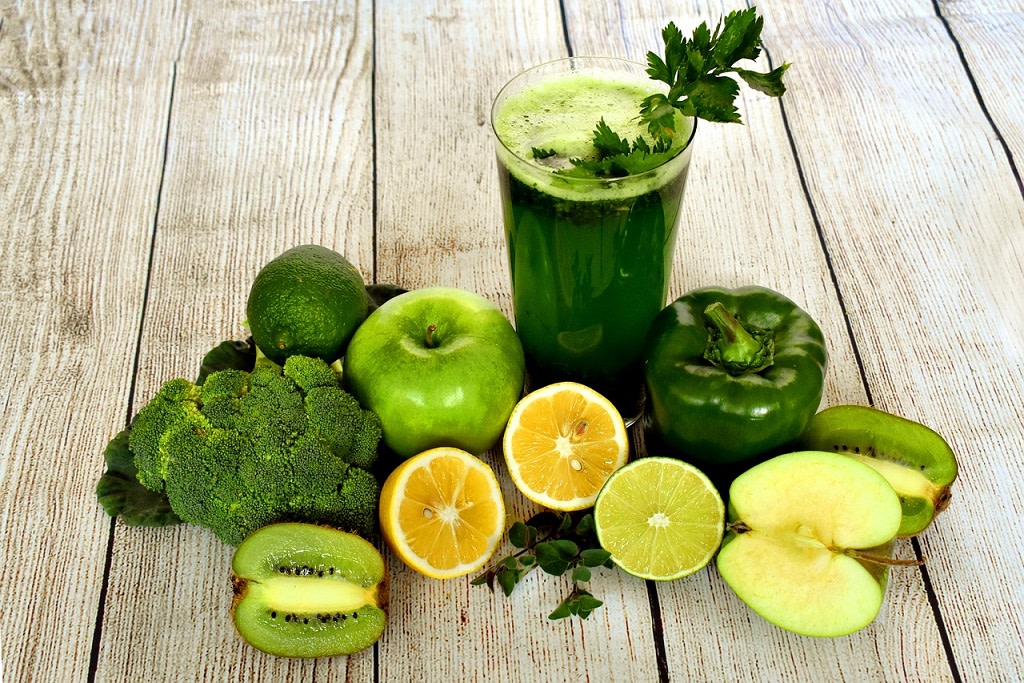
Keep these tips in mind next time you're at the grocery store or planning your meals for the week. By following these tips, you may be able to make healthier choices that will help you to reach your goals. Whether you're trying to lose weight, gain muscle, or just improve your overall health, these tips will help you to choose the right food for your diet. Rest assured that with a little bit of effort, you'll be on your way to eating the right food for your diet in no time.
Before embarking on a new diet, make sure to visit your doctor or speak to a healthcare professional such as a dietitian to ensure that your diet will be healthy and also help you meet your goals.
The fastest and easiest way to search for and book healthcare appointments online is at MyHealth1st.com.au