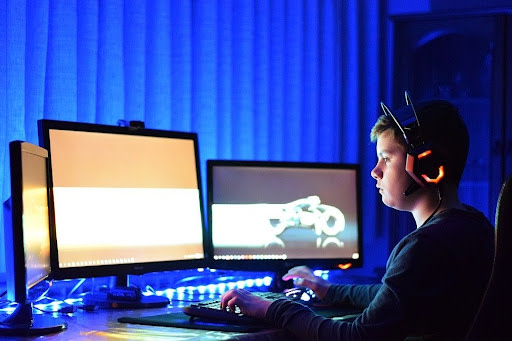
While it is not common, some gamers may play more than 8 hours a day and neglect other important aspects of their life. The extreme gaming lifestyle can be very dangerous, but it is often difficult to recognise the warning signs.
Gaming Disorder was only recognised in the ICD-11 (the 11th Revision of the International Classification of Diseases) in 218m making it a new branch of obsession disorder. Although there is still an argument that gaming disorder is simply another manifestation of obsession rather than a disorder in its own right, the condition is characterised by a pattern of gaming behaviour exhibiting a lack of control and gaming taking precedence over other interests and activities. These gaming behaviours typically escalate despite observable negative consequences.
You've been thinking about gaming for more than an hour a day
One of the most common warning signs that gaming may have become an issue is when gamers find themselves thinking about games for more than an hour a day. This can be difficult to recognise because it does not always happen in one sitting. It’s common for people to spend time thinking about pastimes that they enjoy, when they are working, at school or during their leisure time, but sometimes those thoughts can become obtrusive.
Thinking about things you enjoy is fine, but if those thoughts become obtrusive and interruptive, this may be an indicator that gaming may have become an obsession. Someone obsessed may find themselves thinking they will quickly check a game forum only to find they’ve been reading it for hours, or simply find themselves too distracted with thoughts of gaming to be productive.
People with a gaming obsession may find themselves trying to fit in as many gaming sessions into their day as possible, forgoing regular activities, essential chores, work, proper meals or even sleep. If you find yourself playing a game to the exclusion of other activities, you may need to consider going through gaming addiction treatment to get your life back on track. In this way, you will be able to ensure that you are playing games only for pure enjoyment, rather than from psychological necessity.
Neglecting other aspects of their life in favor of gaming
People with a gaming obsession may begin to neglect parts of their lives unrelated to gaming, such as work or school. For the vast majority of gamers, playing games is a relaxing and rewarding pastime that appears to have both learning and social benefits . For some people, however, gaming becomes a preoccupation rather than a pastime, leading them to struggle to stay focused on work or school due to intrusive thoughts of gaming, or need for gaming.
Spending too much money on gaming
A potential warning sign that a love for gaming has turned into an addiction is when a person spends excessive amounts of money on games or through microtransactions. Some people with gaming obsession may spend thousands of dollars in a game, buying things to improve their experience or for simple aesthetic value.
In some ways, obsessively spending money on gaming may be similar to a gambling addiction, in that there is a belief that there may be some turnaround of luck and that a “win” is just around the corner. This is particularly true in games that contain gambling or lottery-like elements, wherein people can pay real world money to potentially win something that may give them an advantage.Excessive spending may also be more akin to a compulsive buying disorder , in which people have a compulsive need to shop or buy, potentially leading to both financial and interpersonal problems. Purchases may lead to brief feelings of elation (colloquially known as a “buyer’s high”), or may lead to a brief cessation of negative emotions that are being experienced, such as loneliness, depression or a lack of self-esteem.
Gaming is affecting eating habits and sleeping patterns

If a gaming obsession is already affecting other aspects of your life it may also have a negative effect on eating and sleeping patterns. Someone with a gaming obsession may find themselves staying up progressively later and later to keep playing, leading to sleep deprivation and fatigue that can progressively make it harder to concentrate on day to day tasks.A lack of adequate sleep can lead to a number of negative side-effects, including poor memory, impared decision making, reduced concentration, a general lack of motivation, weight gain and more.
Spending an excessive amount of time in front of a computer or console may also impact the eating habits and diet of a person with a gaming disorder. An obsessive person may skip or forget about meals, or base their diet around convenience and speed rather than caloric or diet requirements. This may mean that a person with a gaming disorder may subsist on a diet of junk food or convenience/fast food rather than eating healthily. If the gaming obsession has led to a lack of adequate sleep, a person with an obsessive gaming disorder may consume sugary drinks or energy drinks in an effort to maintain their concentration and focus.
For the vast majority of people, gaming is a hobby that brings them joy and relaxation, but for others gaming may become an addiction with potentially serious consequences.
If you recognise any of the warning signs of gaming disorder in yourself or a loved one, never fear, there are resources available to help you get back on track. If you would like to talk to a medical professional about obsessive gaming behaviour, schedule an appointment to see your doctor .
Your GP will be able to refer you for psychological help or may be able to recommend a facility that can help you. Your doctor will also be able to help you put together a Mental Health Care Plan (MHCP), a document that gives any eligible Australian access to a number of sessions with a mental health professional covered by Medicare. If you need to book healthcare appointments online, the fastest and easiest way to get the help you need is through MyHealth1st.