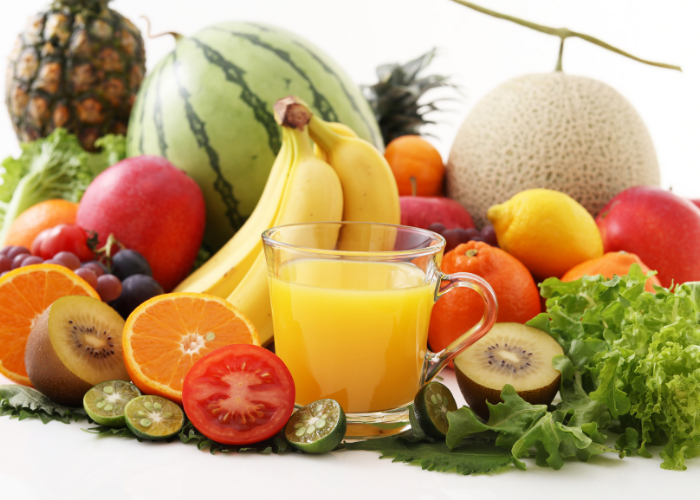
Have you considered how your diet affects your oral health? Most of us understand that regular brushing and flossing are vital to maintaining good oral health. We know having too many sweets is probably not a good idea, but too few people appear to take the time to consider their oral health when it comes to the foods and drinks they consume on a daily basis.
Since our diet affects both our oral health and overall health , it is an important factor to keep in mind. So, what foods boost oral health?
The Best Foods for Your Teeth
We provide some information on foods that are generally good for your teeth below. However, please understand that we are not advising that you eat any of these foods in excess. A well-balanced diet is key to maintaining excellent overall health, and eating any food in excess may lead to health problems.
Fresh Fruits and Vegetables
Fresh fruits and vegetables provide many much-needed nutrients. Crunchy fruits and vegetables may also help remove plaque from your teeth. The saliva produced while chewing on fibrous and moist fruit or vegetable snacks can aid in flushing food debris from your mouth.
Keep in mind that heavy amounts of citrus-based or sugary fruits can lead to cavities. In fact, citrus fruits, like lemons, can erode the enamel if ingested too much or too often.
Dairy Products
Dairy products, such as plain yogurt and cheese, are high in calcium and phosphates, minerals that may help you rebuild tooth strength and enamel. Since many dairy products are pH-neutral, they may also help to neutralize the pH balance in your mouth after snacking on sugary or acidic treats.
Whole Grains
Instead of eating sugary pre-sliced white bread, it may be better to consume whole grain bread with low sugar if you’re concerned about your oral health.
Lean Proteins
Fish, poultry and eggs provide phosphorus, which is another important mineral that contributes to the strength of your teeth .
Low Carbohydrate Nuts
Nuts contain many minerals and proteins, and, as is the case with fruit, chewing nuts stimulates saliva production which is good for your overall oral health. It’s essential to look for low-carbohydrate nuts, like pecans, walnuts or almonds, as carbohydrates break down into sugars in your mouth, which bacteria may feed on.
Sugarless Chewing Gum
The Australian Dental Association recommends sugar-free chewing gum for good oral health. Chewing sugar-free gum for 20 minutes or so after eating can increase saliva production, neutralising the acidic environment of your post-eating mouth.
In addition to eating, the beverages you consume can affect your teeth and gum health as well. One of the best ways to safeguard your teeth and gums is by drinking plenty of water. Water has no calories, and according to the Australian Dental Association , most public water in Australia contains fluoride, which strengthens teeth.
The Best Foods for Your Gums
Many of the same foods that are good for your teeth also provide necessary nutrients to your gums. However, some foods offer more benefits than others when it comes to periodontal health.
Fatty Fish
Fatty fish, such as salmon, can provide a significant amount of Vitamin D and Omega 3. Studies have shown that a sufficient intake of Omega 3 may decrease your chances of developing gum disease, making this a great diet addition for those who want healthier gums.
Foods Rich in Vitamin C and B12
Many fruits and vegetables are high in Vitamin C, which can help keep gums healthy. And fish, eggs, and milk often provide B12, which may help reduce the effects of or prevent gum disease, according to some studies .
Foods to Avoid
While it’s vital to eat the right foods for good nutrition and a healthy smile, it’s also essential to avoid the foods that can harm your oral health—or at least limit your intake.
We’ve listed some foods that you should consume carefully below.
Starchy Foods
Starchy foods include chips, crackers, cereal, pasta and other bread-based foods. Starchy foods break down into sugar in your mouth and tend to stick to and between your teeth, which is an excellent environment for tooth decay. Whole wheat bread, pasta and crackers often offer a better substitute for your oral health.
Sugary Foods
While it’s somewhat apparent that you shouldn’t have a chocolate bar for lunch, there are hidden sugars out there that people often miss. That means people may consume large amounts of sugar without even realizing it.
As we mentioned above, starchy foods become sugar after you eat them, so snacking on crackers, for example, may be just as bad for your oral health and munching on a piece of chocolate. That doesn’t mean you should never eat sweets or starches, but that you should know precisely what you’re putting in your mouth.
Tips for Eating Your Favourite Sugary or Starchy Snacks
Frequent snacks are not suitable for your teeth and gums. Frequent snacking means there’s food and food debris in your mouth more often than not, which encourages bacteria to develop, putting your teeth at risk. However, we know everyone needs a cheat day or a sweet snack occasionally, and most dentists will not ask you to avoid treats entirely.
Instead, we recommend drinking water or washing your mouth out with water after eating your treat. Alternatively, to protect your oral health, you can eat your sweet treat with a meal or eat cheese or another dairy-based neutralizer after having your snack. That way, you can enjoy your treat without the guilt, knowing that you’ve still taken steps to keep your teeth and gums healthy and strong.