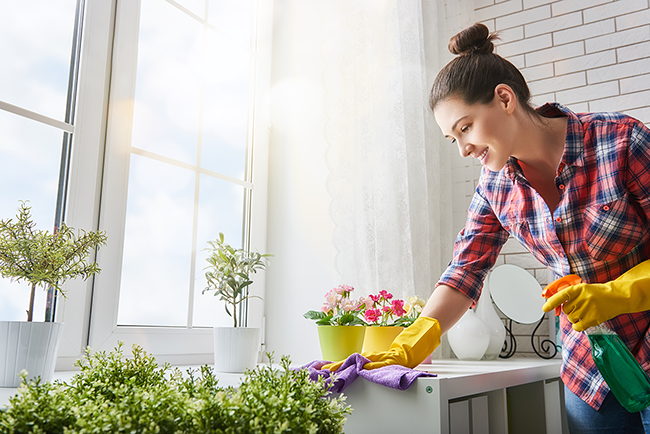
It’s fairly safe to say that for most people, cleaning isn’t one of their favourite pastimes. Despite this fact and ironically enough, pretty much everyone wants to live in a tidy and healthy environment. Whether you like the idea of cleaning your house or not, it’s essential to include it in your daily routine. After all, you spend almost half of your life inside your house, but few realise that your home and your health are linked to each other.
As well as keeping your house clean, anyone living with you, whether they be family or flatmates should incorporate proper hygiene habits to help maintain a healthy environment. This may sound like a huge responsibility, but there are manageable tips you can try to help you ensure that your entire household is as safe and pristine as possible.
To get started, here are eight ways to help maintain a germ-free household:
1. Make The Bed
You might be wondering how making your bed is connected to keeping your household clean and healthy. The first thing you see when you wake up is the state of your bedroom and everything in it. To start your day in a healthy and productive way, make it a habit to fix your bed daily and ensure that everyone in the household does the same.
Avoiding making your bed won’t only lead to a cluttered room but also encourage dust to settle on your bedsheets. Moreover, a messy environment can adversely affect your sleep quality, leading to poor health in the long run. Fixing your bed will only take a minute or so, yet it can make a significant difference in the tidiness of your room. If you want the task to be easier to accomplish, you may opt for simple beddings, reduce the number of pillows, and remove some of your top sheets.
2. Do A Load Of Laundry Daily
Another way to maintain a germ-free household is by tackling at least one load of laundry every day, or as soon as you have a full load at any rate. This will help you avoid having to deal with an overflowing pile of dirty clothes at the end of the week. Doing the laundry every time you have a full load will not only help minimise your workload during weekends but also keep your laundry free from clutter.
Additionally, don’t forget to clean and disinfect your washing machine to keep bacteria, germs, and unpleasant odours at bay. This should be done every two months for best results.
3. Clean As You Go
Pretty much everything you do is bound to produce waste or clutter in some way. As an example, while picking your outfit for the day, you may take other outfits out of your cupboard and dump them on your bed before you choose your final look. To keep everything neat, make sure to put everything back where you got it before you leave the room.
Another, more pressing example is when you’re preparing meals in the kitchen. You may have to use several pans, plates, and utensils in order to get the job done, so when the food preparation is over, don’t forget to wash and put away the used utensils and to tidy up the whole area. Failure to clean your kitchen may result in creating an environment that may lead to the growth of mold, attract insects or spread germs.
4. Take Out The Garbage
Never let garbage sit inside your house for too long, regardless of how little you think there is. Decomposing food waste may attract rodents, insects, and pests, which can carry all kinds of diseases or may lead to allergic reactions that may lead to conditions such as nausea or trigger asthma . Leaving your garbage too long may also lead to all manner of unpleasant smells. Try making it a habit to take out the garbage regularly, even if it’s the last task you’ll have to do to wrap up the night. Doing so will ensure that you wake up in a fresh and clean environment every day.
5. Do The Dishes After Every Meal
Just like how you clean up after using the kitchen, you should also do your dishes after every meal, or rinse the dishes and load the dishwasher if you have one. Failing to do so will simply clutter up your sink and leave a mess, and may attract insects, other pests, or mold.
If you have a family or flatmates, encourage everyone to pitch in with the dishes or take turns cleaning after a meal. Washing the dishes right away will help keep your kitchen clean and germ free.
6. Declutter
The thing about clutter is that it can dominate your home quickly without you noticing it. Even the seemingly harmless act of putting your car keys on the table or leaving a piece of clothing on the floor can lead to unsightly clutter around the house if you get into the habit of not picking things up. Decluttering your house can be as simple as getting rid of the things you no longer use and either selling or donating them. The fewer items you own, the easier it is to keep your house organised.
7. Clean Your Refrigerator Regularly
One of the most overlooked yet most frequently utilised appliances in the house is your refrigerator. You use it every day to store everything from fruits and vegetables to beverages and leftovers. If you rarely clean your fridge, it can become an unsafe place to store food. A dirty fridge can become a breeding ground for dangerous bacteria such as listeria, E. coli, and salmonella. If you smell something funky in your fridge, it’s a sign that you need to clean it as soon as possible.
Thus, make it a habit to clean your fridge frequently. When doing so, make sure to first remove all the food and drinks inside and place perishable items in a large container such as an esky to keep them cold. If you have any food items that are old, starting to smell foul, or are expired, you should immediately throw it away to avoid contaminating the other food items you have. If anything spills in your fridge you should immediately clean the mess. Make it a routine to regularly wipe, clean, and disinfect the shelves inside the fridge.
8. Wipe Surfaces Down After Use
Keep your home free from germs by wiping down surfaces after you use them. Wiping your coffee table, dining table, or your glass shower door can do wonders in keeping your home spotless. This will prevent the accumulation of grime, dust, and moisture.