
It's no secret that sleep is extremely important. Ever since we were children, our parents practically forced us to go to bed early because having a good night's sleep was very beneficial for us. When you are a kid you cannot easily understand why, but as we age we begin to realise how crucial it is for our health. Sleep is when our body is able to rest, recover and heal in a number of different ways.
If you've experienced any type of injury, you should allow yourself to relax and rest as much as possible. In order to speed up your recovery process, you need to make sure you have a good sleep schedule. If you're still not sure how useful sleep is for your recovery, keep reading.
The Importance of Sleep for Injury Recovery
How Does It Help?
When we are trying to get some sleep , our brain signals the release of huge amounts of growth hormones. Namely, hormones such as testosterone or HGH (Human Growth Hormone) are responsible for creating brand-new proteins that are going to replace destroyed ones in bones, muscles, ligaments, and tendons.
Production of testosterone is at its highest during REM sleep. A 2014 study titled “ The relationship between sleep disorders and testosterone in men ” showed that after eight days of sleeping five and a half or less hours a night, testosterone production fell by 10-15%. This drop in testosterone production can subsequently slow recovery from any injury, as well as impact overall health.
The longer you go without adequate sleep, the worse the effects can become. That's why you have to do anything that's in your power to provide yourself with a good night's sleep.
Sleep Decreases Stress Levels
It’s difficult to stay calm and stress-free after an injury. No matter how serious or benign the injury is, it can still be traumatic on both a physical and emotional level. As a result you should find a way to avoid or reduce stress as much as possible. Thankfully there are people who can help you go through this stressful time faster. A psychologist can help you formulate ways of reducing stress, or counsel you through the trauma you may be experiencing.
In addition to physical and emotional trauma, an injury may also lead to financial trauma. Rehabilitation and medication, not to mention a loss of ability to work (or a reduction in hours) can have a serious impact on your financial stability. If your injury occurred at or due to work, then you may be able to claim compensation. No matter if you’re a plumber in Sydney or are looking for workers compensation in Atlanta you should be able to find a worker’s compensation lawyer or ombudsman able to help you get the financial support you need. Without the added pressure of finances, you can concentrate on lowering your stress and recovering from your injury.
Part of that recovery is sleep. How does it lower stress levels? When we are under stress our body unleashes a hormone called cortisol, also known as the stress hormone.
Nearly every cell in the human body has a cortisone receptor, making the hormone responsible for triggering or controlling a number of different actions, including controlling the body’s blood sugar levels regulating the metabolism, controlling blood pressure , acting as an anti-inflammatory, influencing memory formation, and controlling salt and water balance. Essentially cortisol is responsible for controlling or triggering all aspects of what is commonly referred to as the “fight or flight” response to stress or threat.
In the short term, cortisol is useful for preparing the body to react to stressful situations, but if the presence of cortisol is prolonged it can lead to a number of health problems, including anxiety, depression , digestive issues, heart disease, hypertension, weight gain and impaired concentration and memory. High levels of cortisol can also slow the healing process.
Poor sleep can increase the production of cortisol. As such, maintaining a healthy sleep schedule and getting adequate rest can help reduce the amount of cortisol in your boy, staving of possible negative effects and helping you heal better.
What Else Do You Need to Know?
Meet Leptin And Ghrelin
Leptin is a hormone that lets your body know that it has had enough food. Ghrelin, on the other hand, does the exact opposite. It tells your body that it needs to eat . When people do not get enough sleep, Ghrelin levels may increase, while Leptin levels may drop. That's a key reason that a lot of people with poor sleep become extremely hungry, and may start to eat more, leading to weight gain
Excess weight can put added stresses on organs and joints, lower testosterone production, lead to insulin resistance or type 2 diabetes and more, all of which can hinder or slow the healing process, or make you more prone to further injury.
How and Where You Sleep
If you want to ensure you are having a high-quality rest, then it's crucial to think about where and how you are going to be sleeping. Take these things into consideration:
- Find a sleeping position that isn't going to worsen your current situation and injury
- Find a solid, comfortable mattress that is going to provide you with a proper support during your rest
Now, when it comes to the perfect sleeping position, you should consult with your doctor to see what they suggest based on the severity of your injury.
As far as mattresses are concerned, you should find one that provides you with both support and comfort and that is going to evenly distribute your weight so that you do not sink in too deeply.
Great Tips for High-Quality Night's Sleep
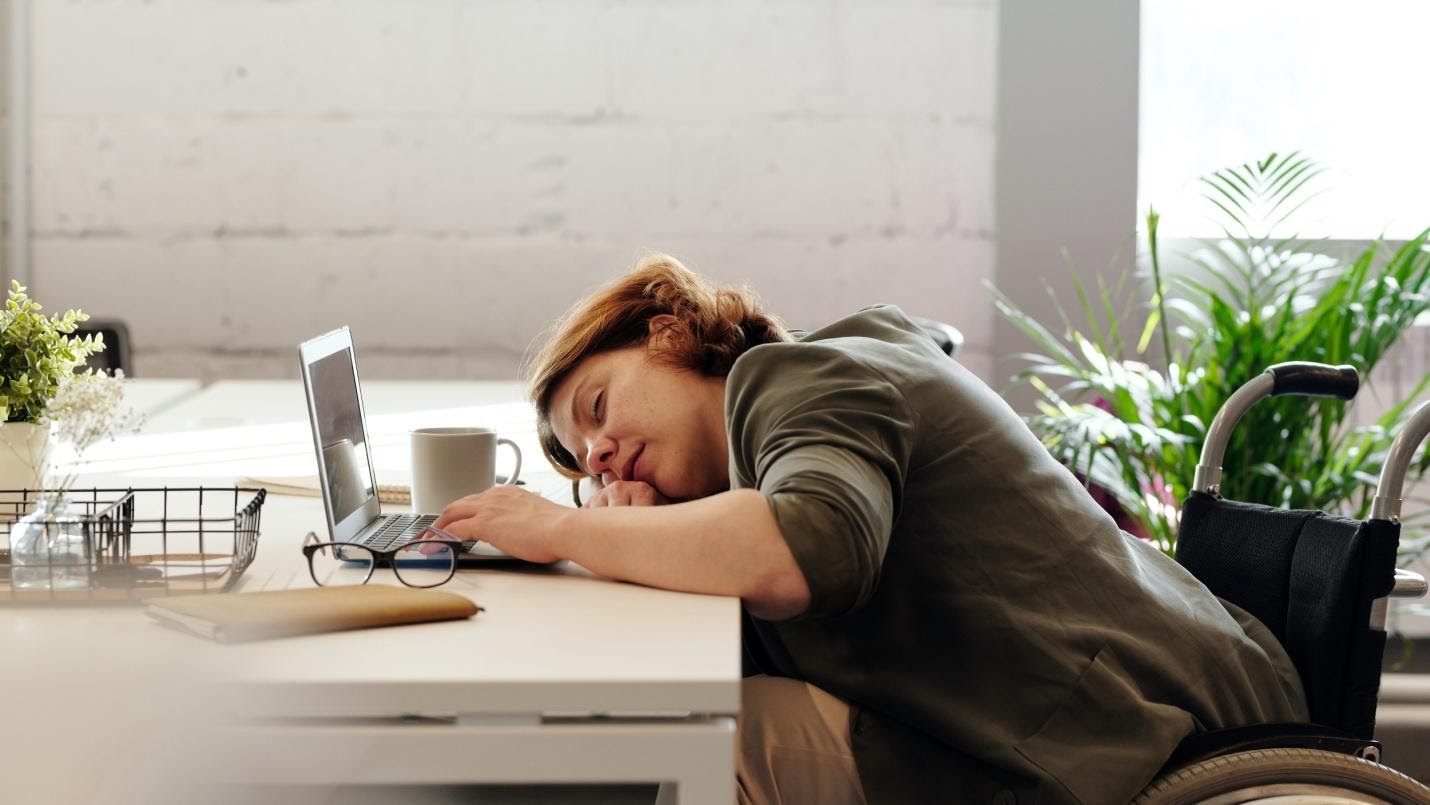
There are many things you can do to improve the quality or increase the quantity of your sleep, including:
- Decrease blue light exposure from various devices, such as cell phones, TVs, tablets, and the like
- Do not consume caffeine at least four hours before you go to sleep
- Decrease daytime naps as much as you can
- Try to have a solid sleep routine by going to bed and waking up at approximately the same time
- Do not exercise before you go to bed, but instead, do it during the day
- Don’t use your bedroom for anything but sleep and sex - don’t watch TV, read books or the like